
Rotating Bookshelf vs Traditional Bookshelf for Kids
Estimated reading time: 4–5 minutes
Key Takeaways
- A kids bookshelf rotating design improves accessibility and encourages independence
- Traditional bookshelves offer greater storage capacity and structure
- Rotating shelves work well in smaller spaces with limited room
- Traditional shelving suits larger rooms or growing collections
- The right choice supports both function and the overall feel of the space
The way books are stored in a child’s space often shapes how they are used. A bookshelf is not only functional, it quietly influences daily habits, independence, and even how a room feels.
When choosing between a kids bookshelf and a kids bookshelf rotating design, the decision is rarely about one being better than the other. It is more about how each option fits within your space, your routine, and the way your child interacts with their environment.
What Is The Difference Between A Rotating And Traditional Kids Bookshelf?
A traditional kids bookshelf is typically fixed, with shelves arranged horizontally. Books are placed along each level, often facing outward or stacked side by side. It offers familiarity and, in many cases, greater overall capacity.
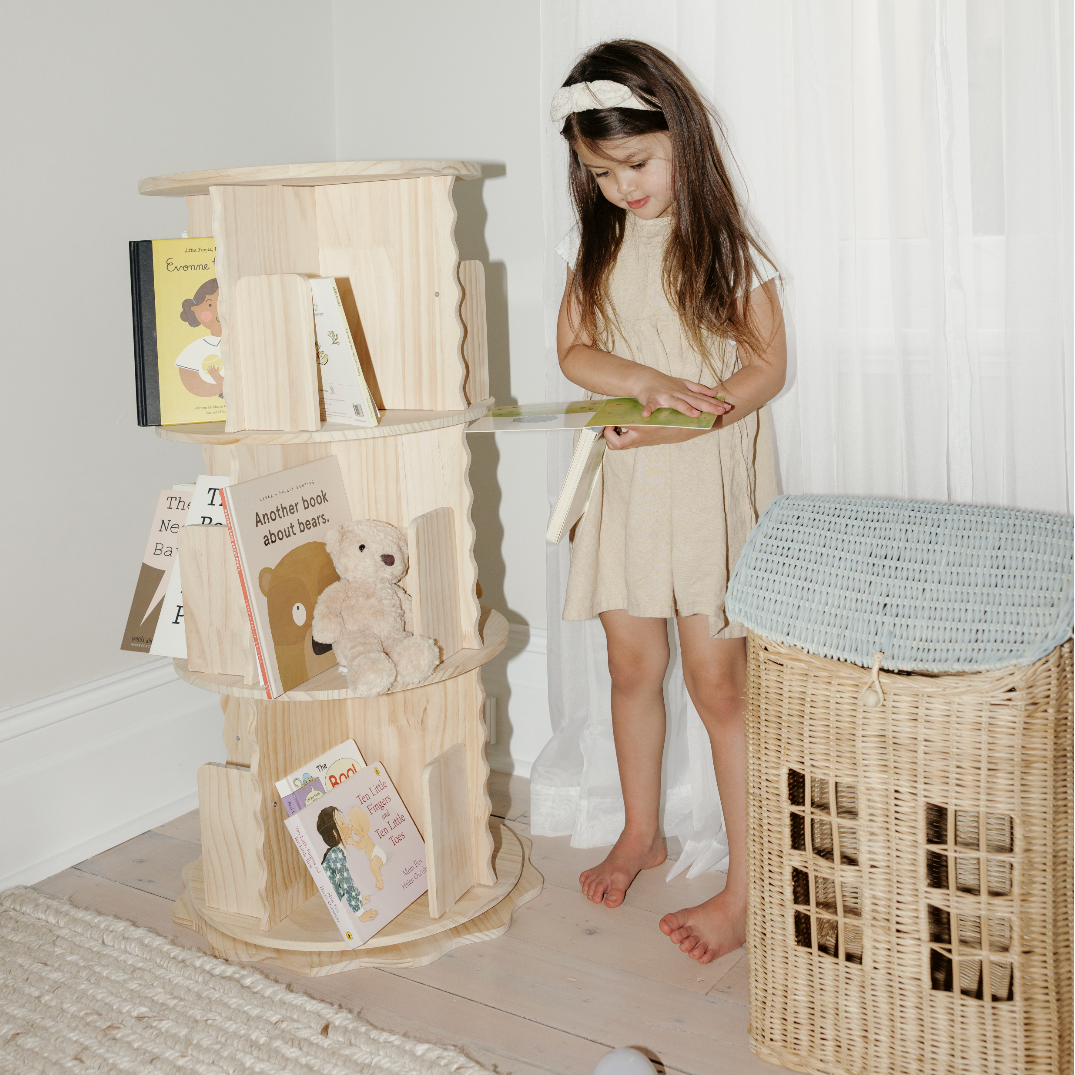
A kids bookshelf rotating design introduces movement. Built around a central axis, it allows the shelf to turn, making multiple sides accessible within a compact footprint. Books are displayed in sections, often with more visibility from different angles. Both serve the same purpose, though they approach it differently. One prioritises structure and volume, while the other focuses on access and interaction.
How Does A Rotating Kids Bookshelf Improve Accessibility?
Accessibility plays a quiet but important role in how often children reach for their books. When items are within easy reach, they are more likely to be used without assistance. A rotating bookshelf simplifies this process. Instead of moving around the room or reaching across shelves, a gentle turn brings everything into view.
Why Is Accessibility Important For Young Children?
Accessible storage encourages independence. When a child can choose and return their own books, it supports small daily habits that build confidence over time. It also reduces reliance on adults for simple tasks, which can make routines feel more fluid.
How Does A Rotating Design Change Daily Use?
A rotating design removes small points of friction. Books are not hidden at the back of a shelf or out of reach. The experience becomes more intuitive. A child can approach the shelf, turn it, and select what they need without interruption.
When Does A Traditional Kids Bookshelf Work Better?
Traditional bookshelves still hold their place, particularly in spaces where capacity and structure are more important. They suit rooms where a larger collection of books needs to be stored, or where shelving is part of a broader furniture layout.
How Much Storage Do You Need For Books And Toys?
If you have a growing collection of books, a traditional bookshelf may offer more room. Its linear design allows for expansion across multiple shelves. It can also accommodate a mix of items, from books to toys, without requiring additional storage pieces.
How Does Shelf Design Affect Room Styling?
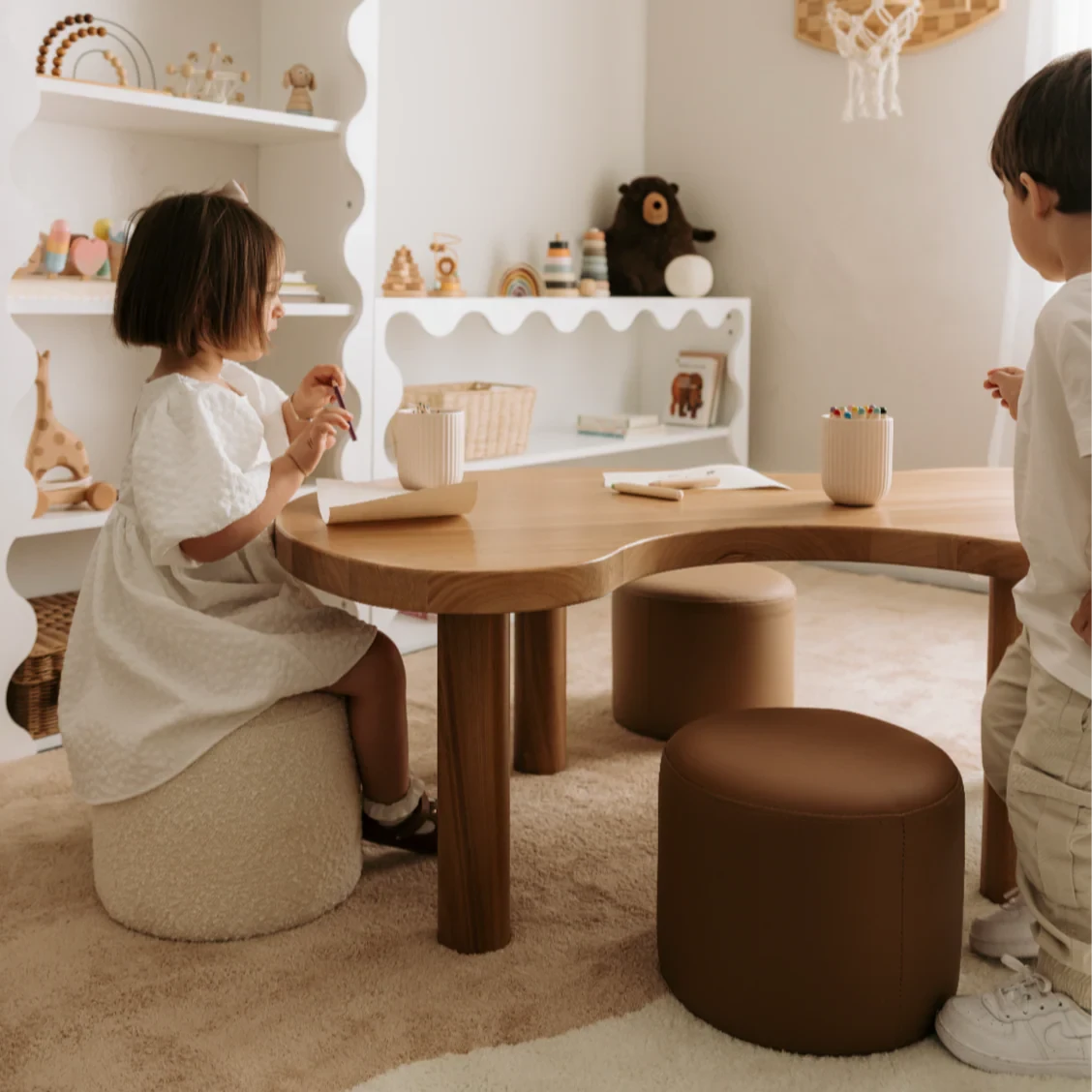
Traditional shelving often contributes to a more structured look. It can sit neatly against a wall and align with other furniture, creating a balanced and grounded layout. In some spaces, this sense of order feels more aligned with the overall interior.
Which Option Works Best In Smaller Spaces?
In smaller rooms, space becomes a key consideration. A rotating bookshelf tends to occupy less surface area while still offering access to multiple sections. Its compact form allows it to sit comfortably within a nursery or play area without overwhelming the room. That said, layout still matters. Even a smaller piece needs enough surrounding space to function properly, particularly if it rotates.
How Do You Choose Between A Rotating And Traditional Kids Bookshelf?
The choice often comes down to how the space is used day to day. Both options can work well, though in slightly different ways.
What Should You Consider For Long Term Use?
A bookshelf should continue to serve a purpose as your child grows. This may mean considering how easily it adapts, not just in function but in how it fits within the room. Pieces that feel consistent with the rest of the home tend to transition more naturally over time.
How Does Your Child’s Routine Influence Your Choice?
If reading is part of a daily routine, accessibility may take priority. A rotating bookshelf can make it easier for children to engage independently. If storage needs are greater, or the room is more structured, a traditional bookshelf may feel more suitable.
Find Kids Bookshelves Designed For Everyday Use
Well-designed furniture supports both function and atmosphere. It should feel considered within the room, rather than purely practical. Nuage Interiors offers thoughtfully designed options, including the Malo rotating bookshelf, which brings accessibility and a compact form into focus. It is designed to support everyday use while maintaining a refined aesthetic.
You can also explore the wider kids furniture collection or complementary pieces within the nursery furniture range to create a cohesive space. For more tailored guidance, you can reach out directly via the contact page.