


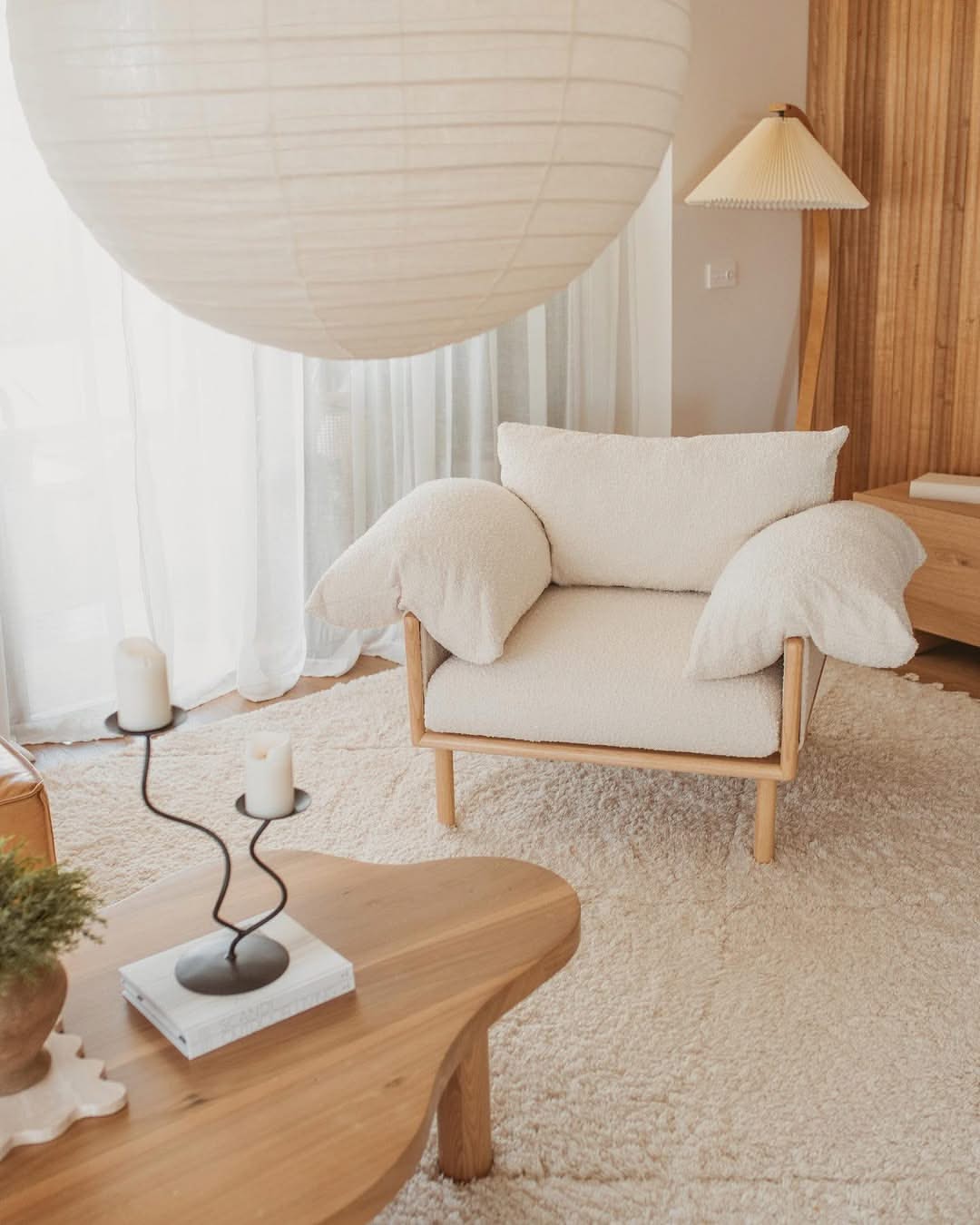
Why Lighting Is One of the Most Important Decisions in a Nursery
Most nurseries default to a ceiling light. It is what is already there, it covers the whole room, and it seems practical enough until the first 2am feed when a parent reaches for the switch and floods the room with the kind of bright, flat light that wakes a baby up completely. At that point, the light becomes the problem.
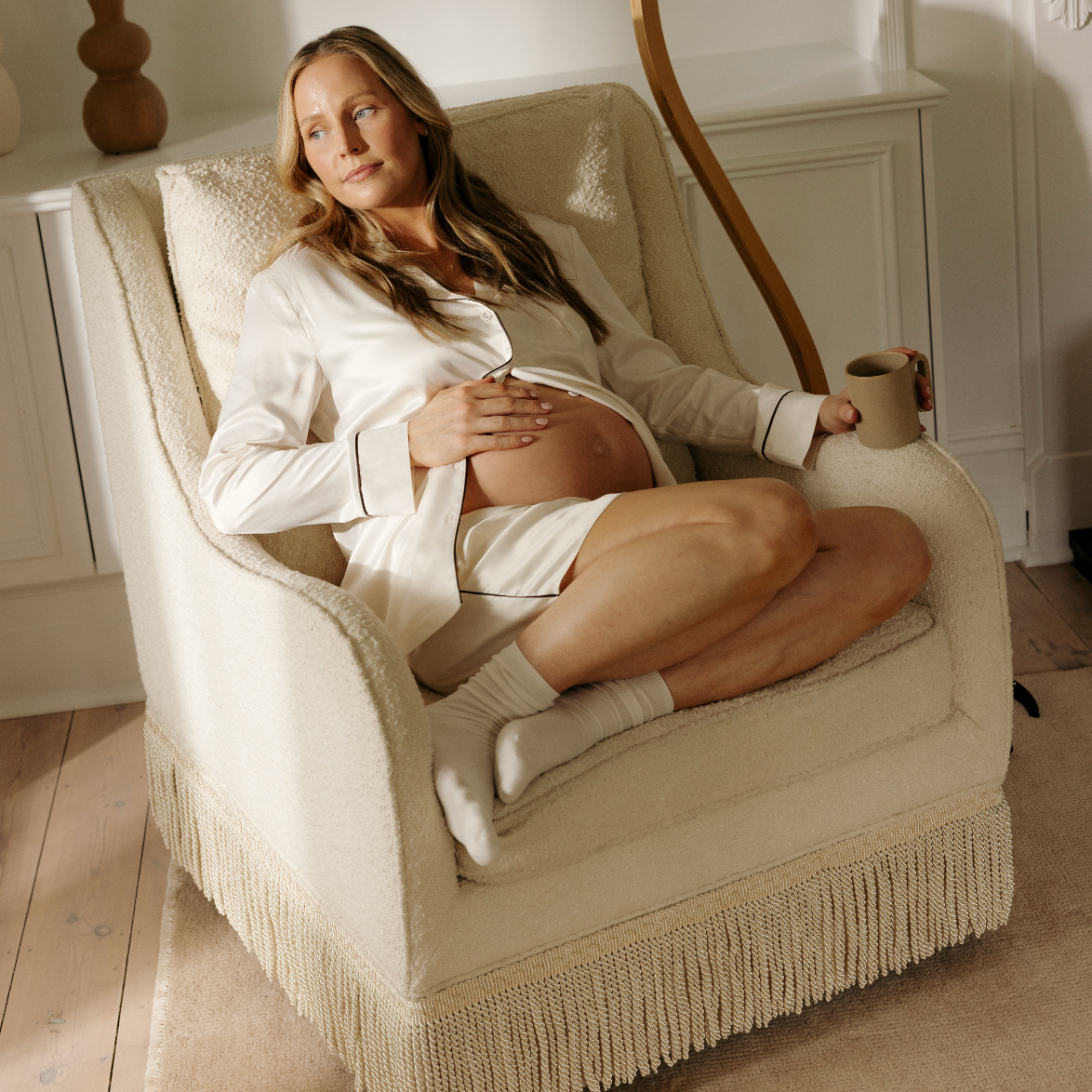
A soft nursery floor lamp placed in the corner of the room changes the dynamic entirely. Positioned low and away from the cot, it casts a warm, even glow that fills the room without directing light at ceiling height where it becomes harsh and stimulating. The light is enough to see by, change a nappy, check on a settled baby, or sit comfortably during a feed without signalling to the baby that it is daytime.
The difference is felt most acutely at night. During the day, a bright room is fine and often helpful for keeping a baby alert and engaged. At night, the room needs to communicate something different. Soft, directional light from a floor lamp positioned thoughtfully does that in a way no overhead fitting can replicate. It is the kind of decision that seems small at the planning stage and turns out to matter enormously in practice.
Families who plan the nursery as a complete environment, thinking about how each piece contributes to daily routine, often find that complete nursery bundles make it easier to see how the lamp fits alongside the cot, the chair, and the storage from the start.
What to Look for in a Nursery Floor Lamp
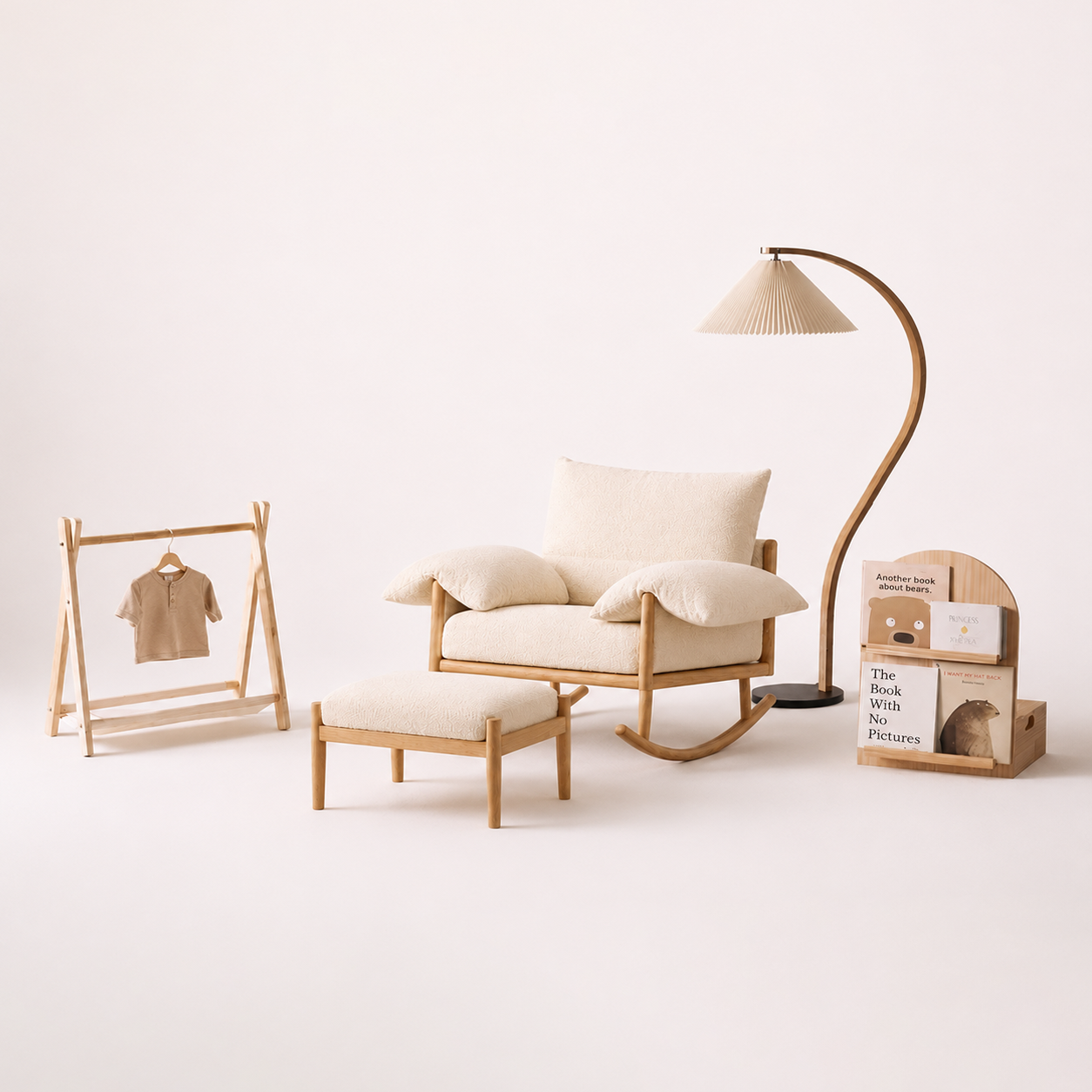
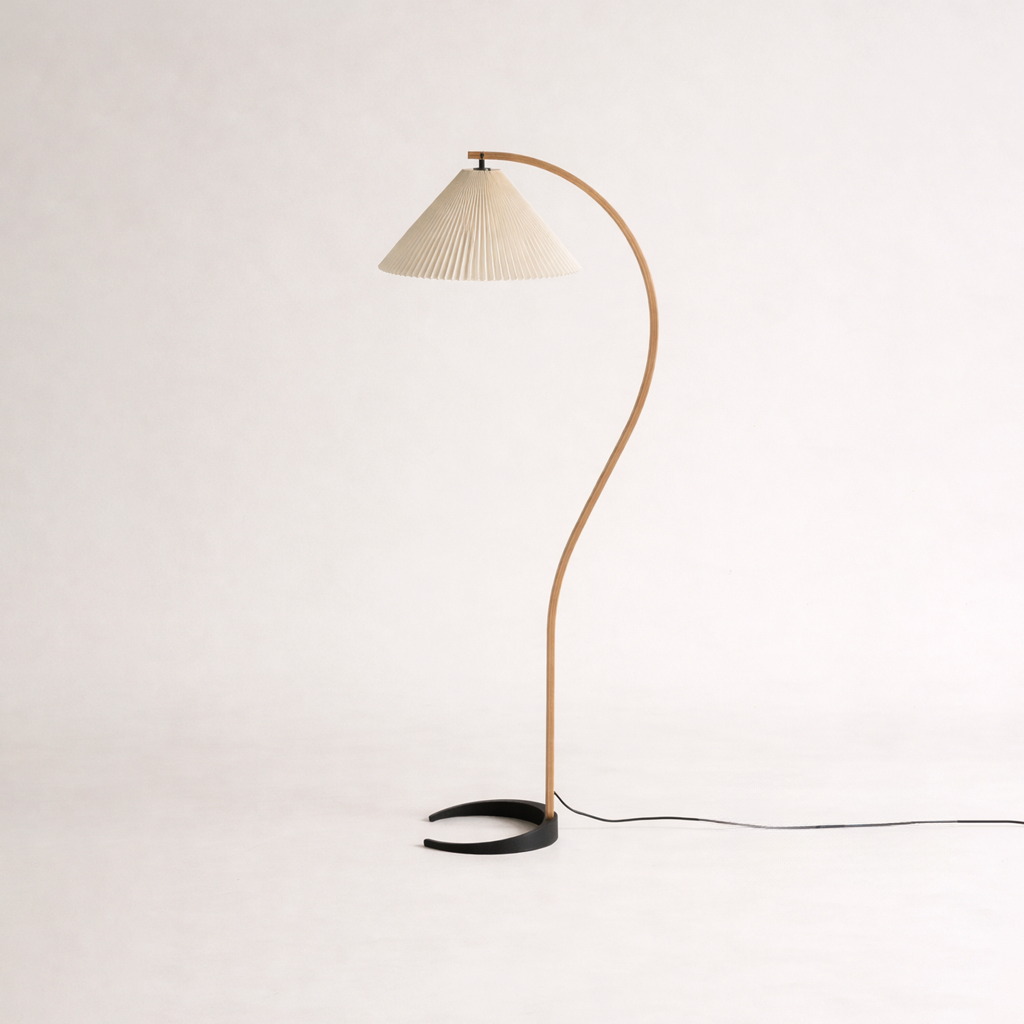
The shade is the most important factor in a nursery lamp. A pleated fabric shade diffuses light by spreading it softly through the material rather than directing a sharp beam downward. The result is a glow that fills the room gently rather than creating a bright spot on the floor with dark edges around it. For a settling environment, diffused light is always preferable to directed light.
Base stability matters in any room with a young child, and increasingly as that child becomes mobile. A lamp with a wide, weighted base sits more securely on the floor than a narrow stem design. The Nuage Pleated Floor Lamp uses a sculptural bent plywood form with the cord concealed internally, which removes the most common trip hazard in floor lamp design and keeps the base clear of dangling cables that a toddler might pull.
Cord management is worth thinking through before the lamp goes in. A lamp positioned in the corner of the room with the cord running to a nearby wall socket, ideally tucked behind a piece of furniture, keeps the lead out of reach as the child grows. Once a child is pulling up to standing and starting to walk, any exposed cord within reach becomes a safety concern.
The lamp also needs to earn its place in the room beyond the early months. Nursery furniture that only suits the nursery stage gets replaced quickly. The Nuage Pleated Floor Lamp has the proportions and finish of a piece that belongs in a living room or bedroom just as naturally as a nursery, which means it transitions out of the nursery without needing to be stored or sold.
Parents building the nursery as a considered whole often pair the floor lamp with nursery furniture sets to get a sense of how the pieces work together in the space before purchasing individually.
Bulb Choice and Light Temperature
Warm white bulbs, rated between 2700K and 3000K on the colour temperature scale, are the right choice for a nursery lamp. Cool white bulbs, which sit at 4000K and above, produce a bluish light that is closer to daylight and actively works against the settling process. The warmer the light, the more it signals rest to both parent and child.
For wattage, low output works best during feeds and settling. A bulb in the 4 to 8 watt LED range produces enough light to see clearly in a small to medium nursery without creating the kind of brightness that fully wakes a settled baby. This is roughly equivalent to a 40-watt incandescent in terms of perceived brightness, which is a useful benchmark if the older wattage scale is more familiar.
A dimmable bulb is worth considering. A standard warm white LED at low wattage works well for most situations, but the ability to reduce the light further during the deepest part of a settling routine or overnight check gives an extra degree of control. If dimming is a priority, check that the floor lamp is compatible with dimmable bulbs before purchasing, as not all lamp bases support the dimming function without flicker.
The Nuage Pleated Floor Lamp takes a standard E27 socket, which gives full flexibility over bulb choice. A warm white dimmable LED in the 6 to 8 watt range suits the lamp well across different uses.
Beyond the Nursery
A pleated lamp that works in a nursery works in a living room, bedroom, or reading corner with no adjustment required. The form is architectural enough to hold its own as a standalone piece, and the neutral shade in natural or white suits most interior palettes without needing to be styled around.
This matters because nursery furniture often gets treated as a temporary category. Items get chosen for their function, used for a stage, and then replaced or stored when the nursery becomes a toddler's room or a sibling moves in. A lamp with the proportions and craftsmanship of a considered interior piece does not follow that pattern. It moves with the household rather than being left behind by it.
The nursing chairs in the Nuage range follow the same logic. Designed to sit comfortably in a living room or bedroom after the nursing stage ends, they avoid the problem of furniture that solves one need and creates another when that need passes. A nursery lamp chosen with the same thinking gives the home a piece it keeps rather than one it cycles through.
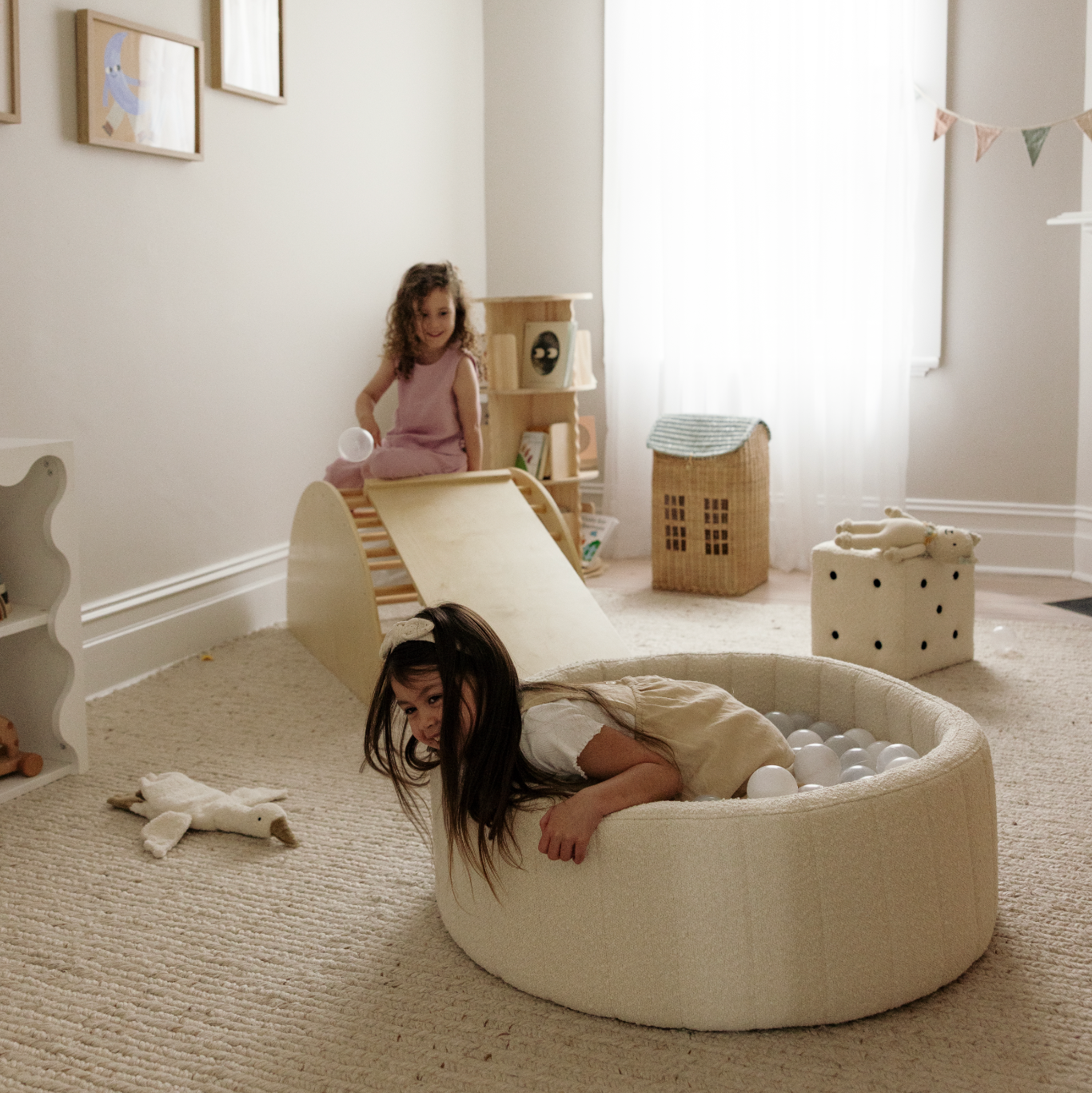
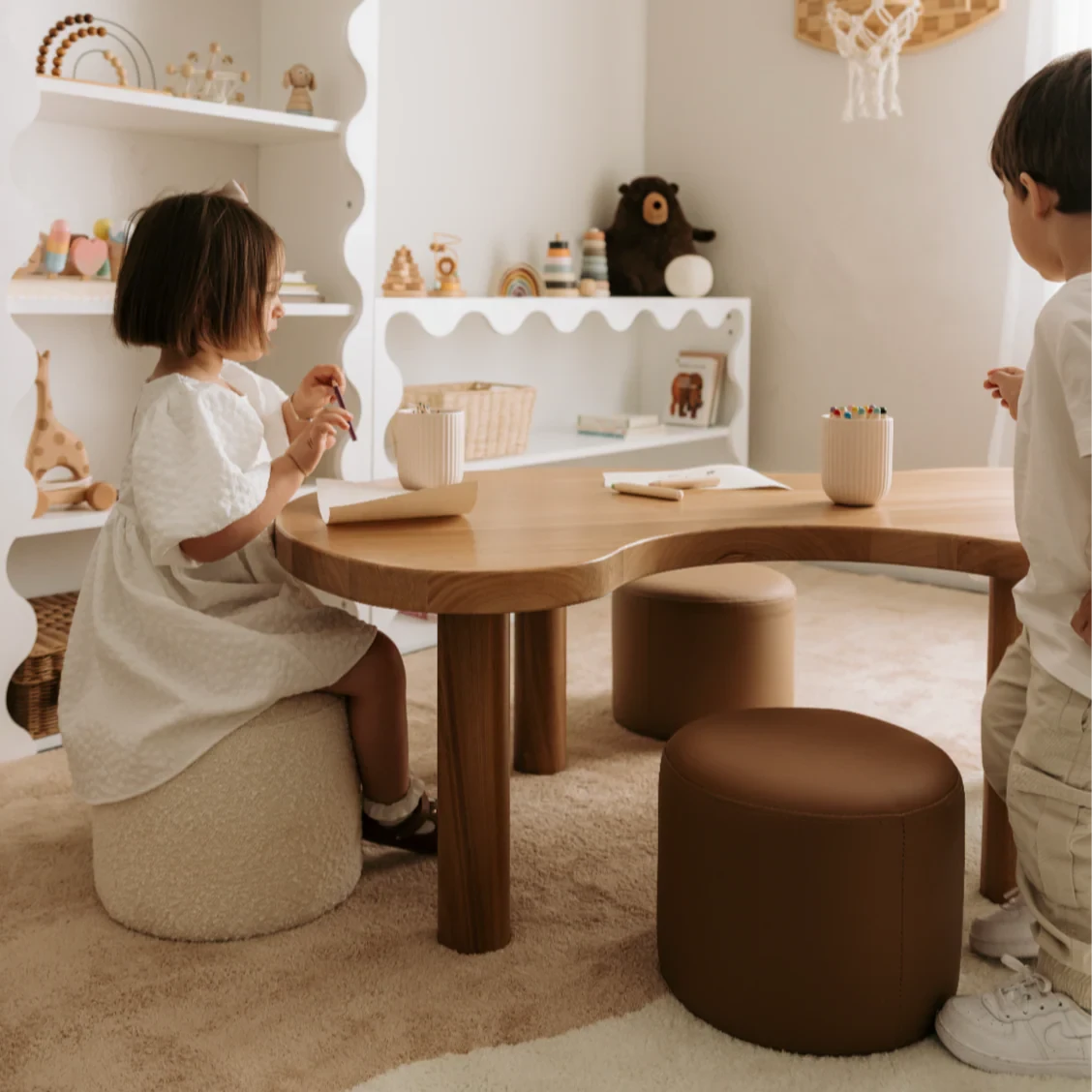
For parents planning the nursery from scratch, pairing the lamp with pieces from the nursery storage range helps establish a room that functions well at every hour of the day without needing to be rearranged as the child grows.



