

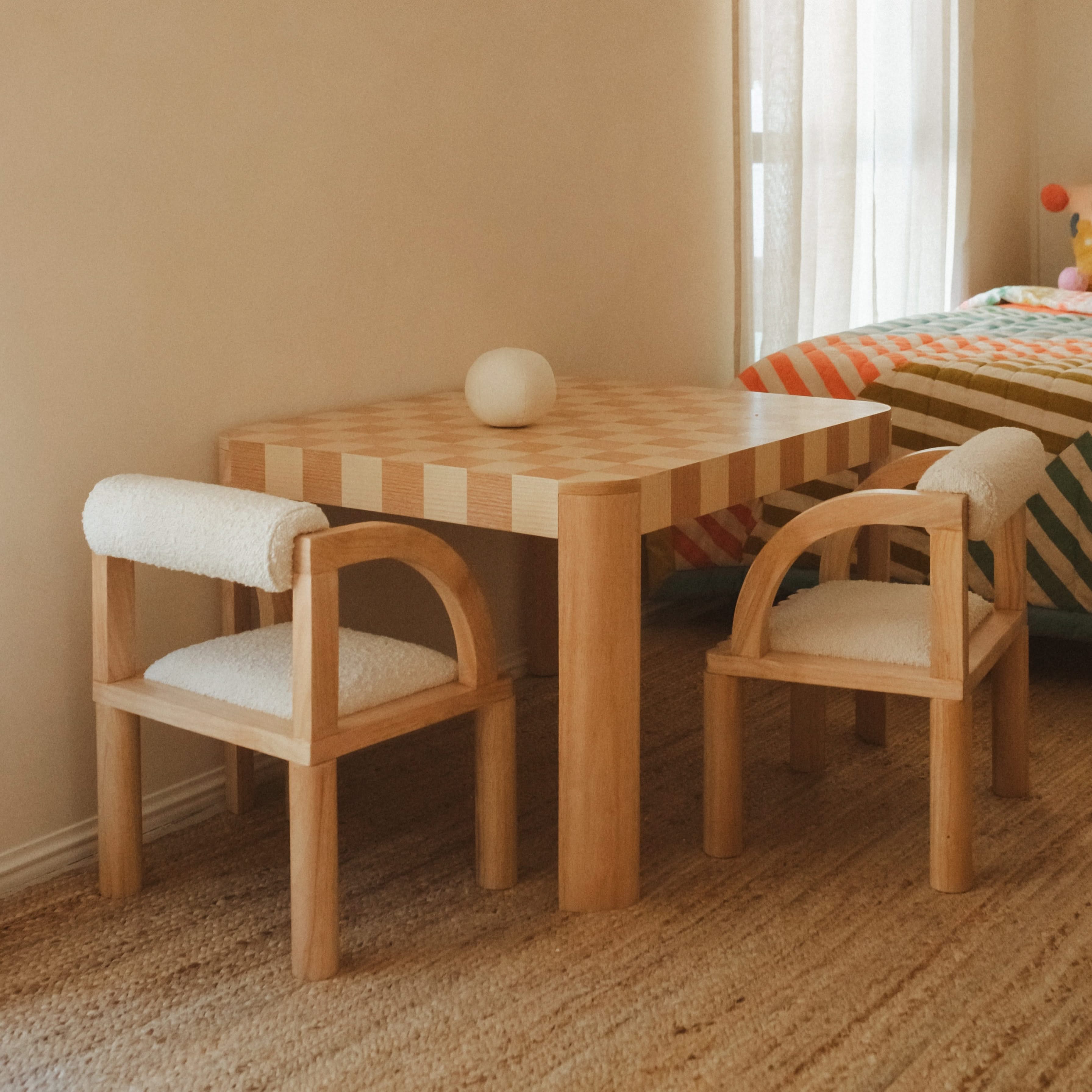
What Makes These Activity Tables Different
Most kids' activity tables solve one problem and ignore everything else. They hold up to drawing and building, then spend the rest of the time looking out of place next to the furniture around them. The plastic finish, the primary colours, the boxy proportions — they announce themselves as temporary, something to be replaced once the child grows out of them.
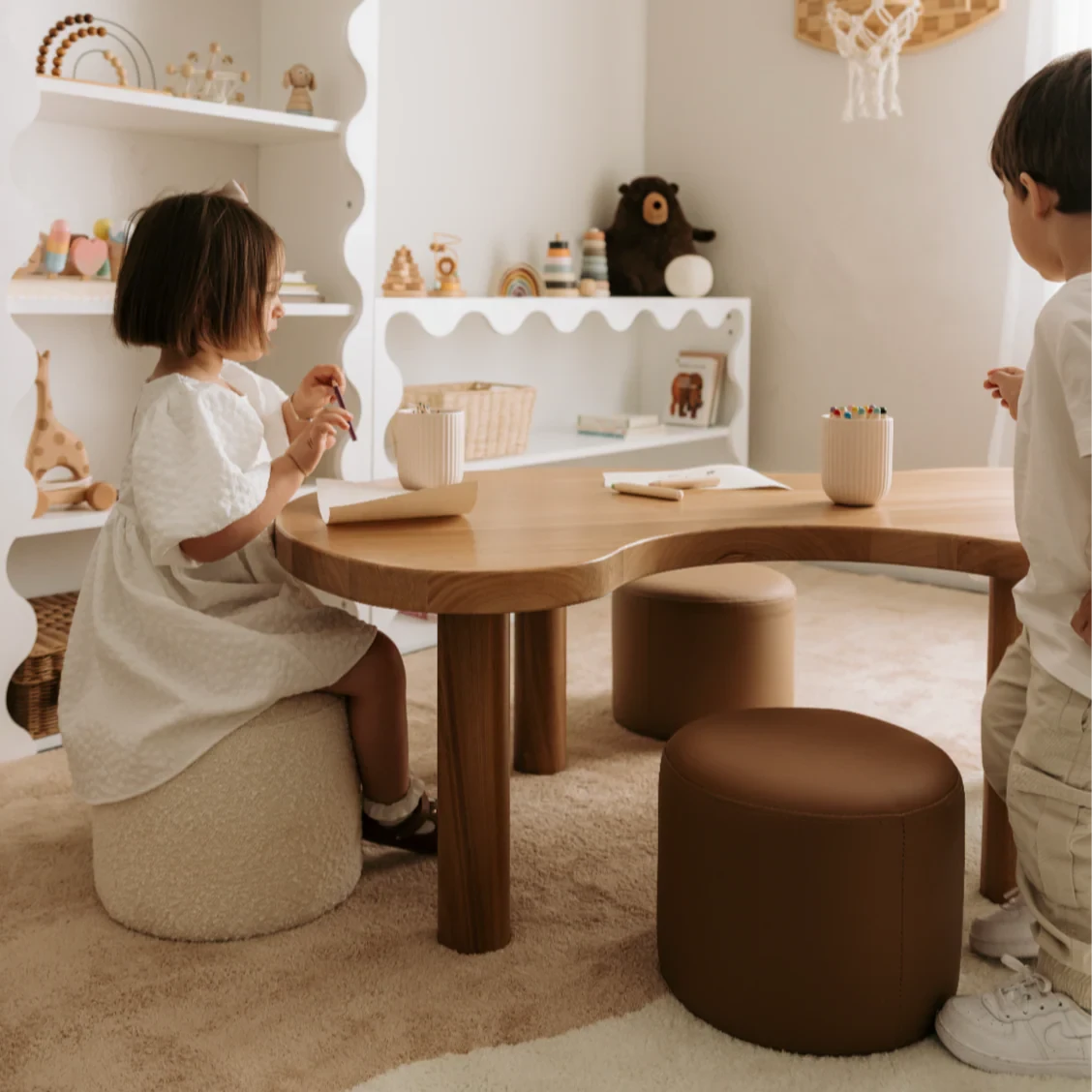
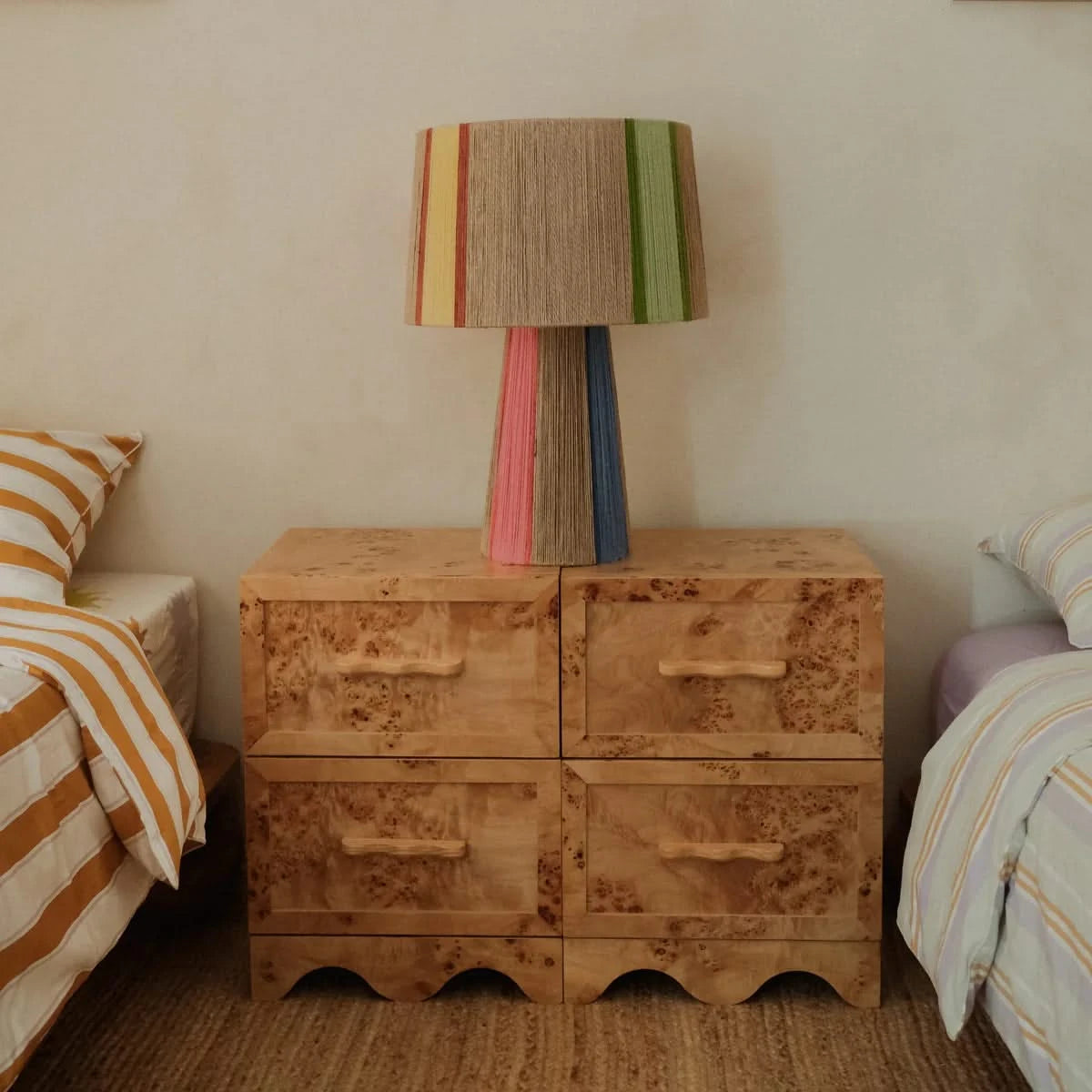
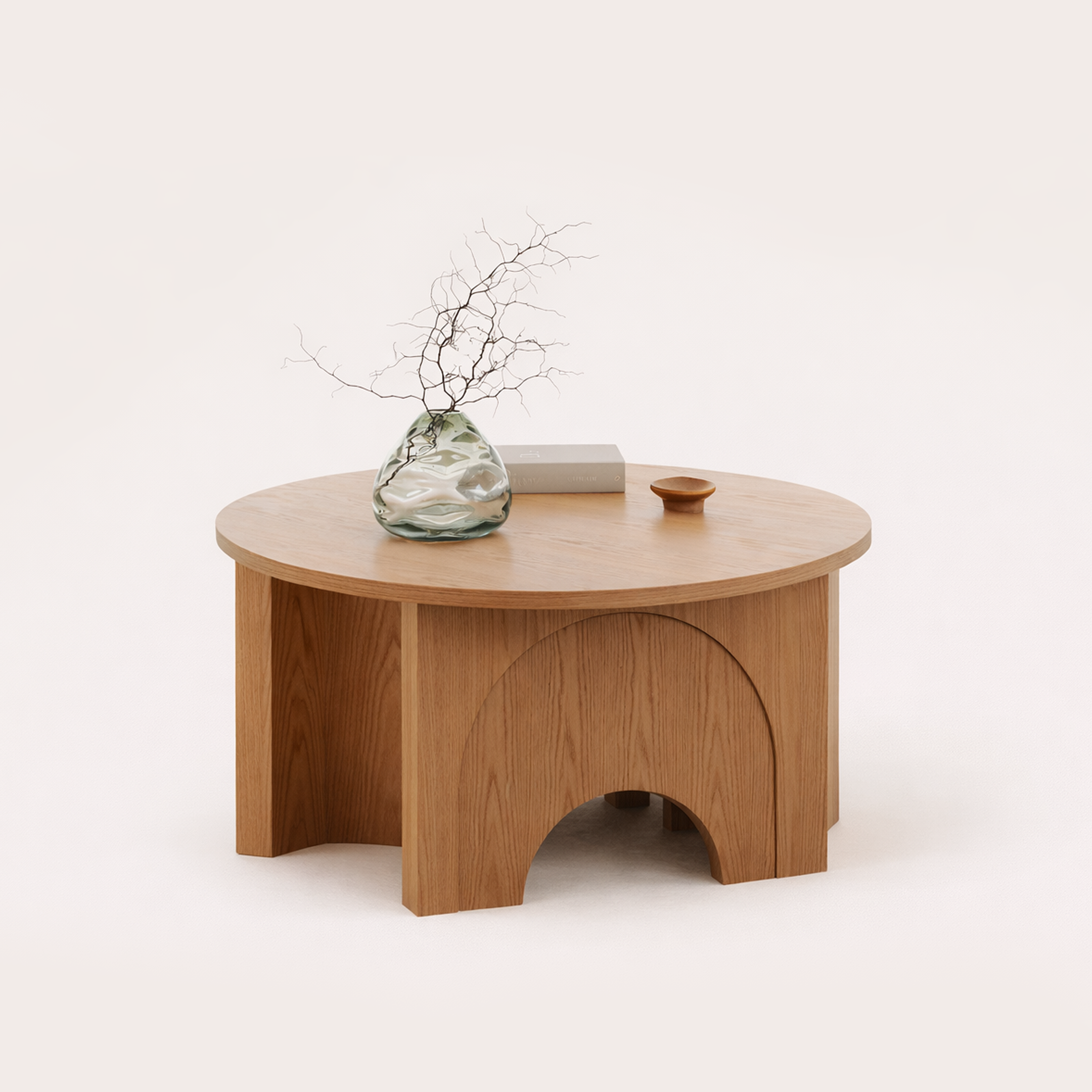
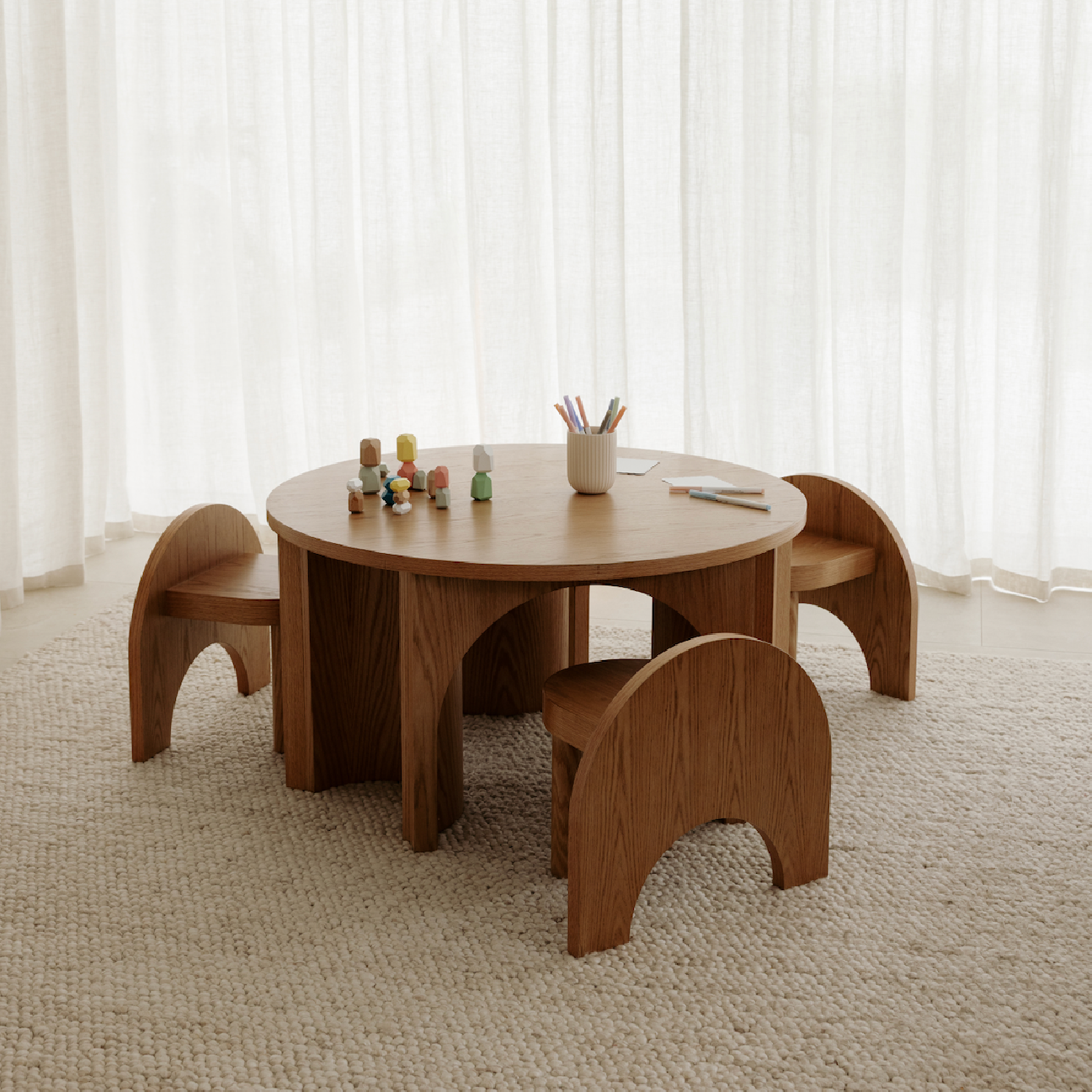
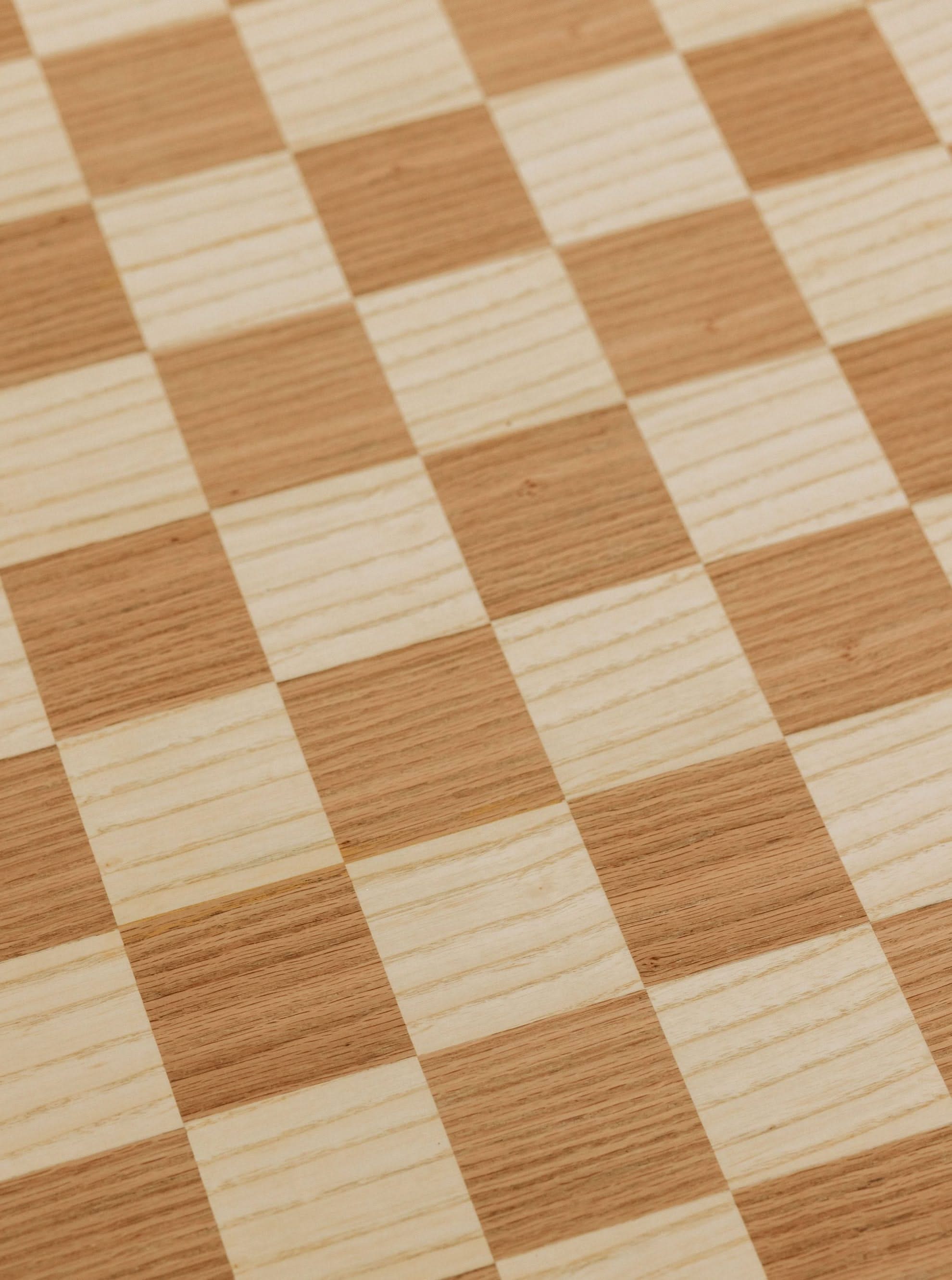
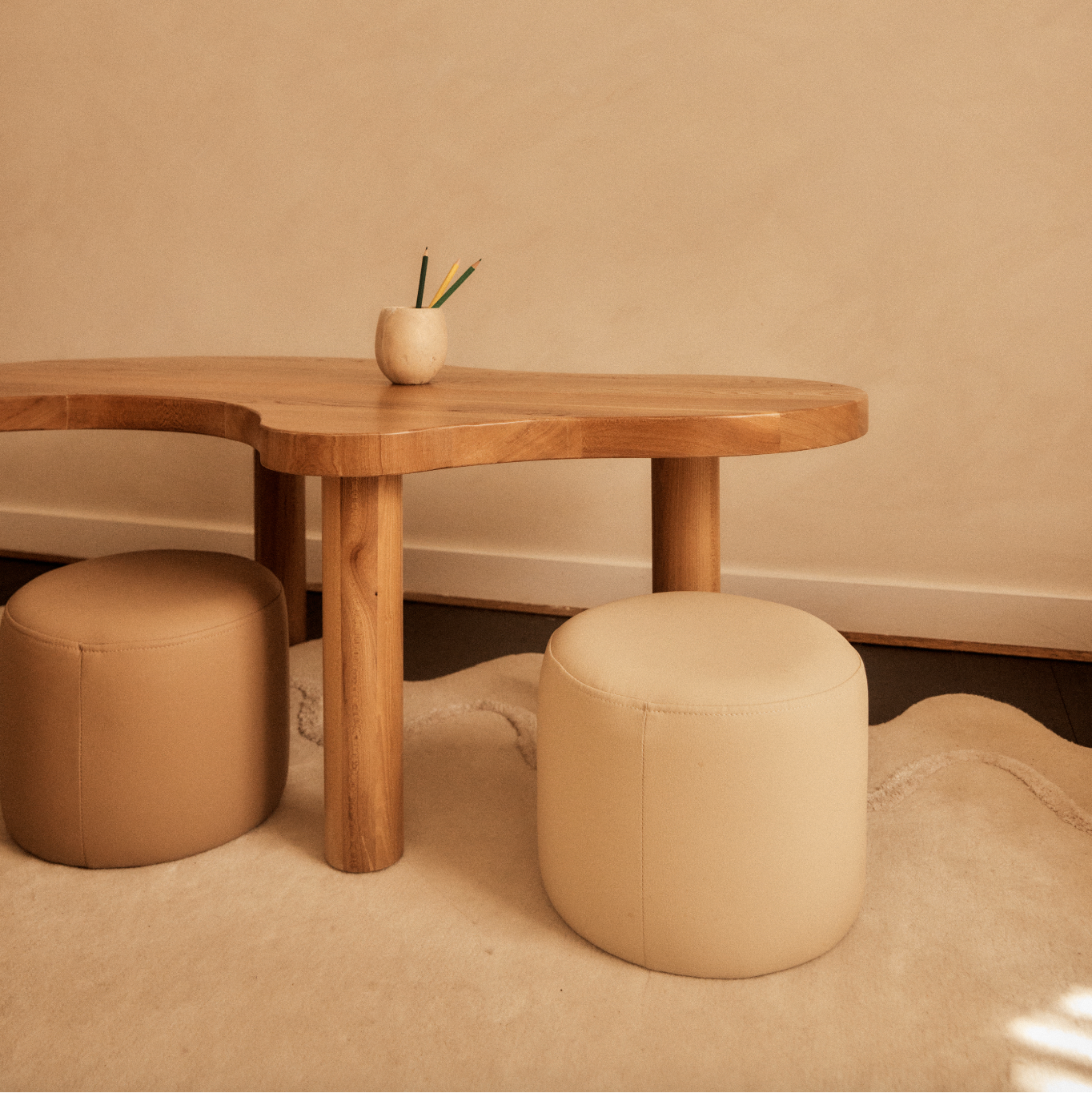
A solid timber activity table for kids works differently. The material has weight and warmth. The grain doesn't look like it belongs in a toy box; it looks like it belongs in a home. Nuage play tables use considered proportions that sit comfortably alongside adult furniture, so the table reads as part of the room rather than a concession to it.
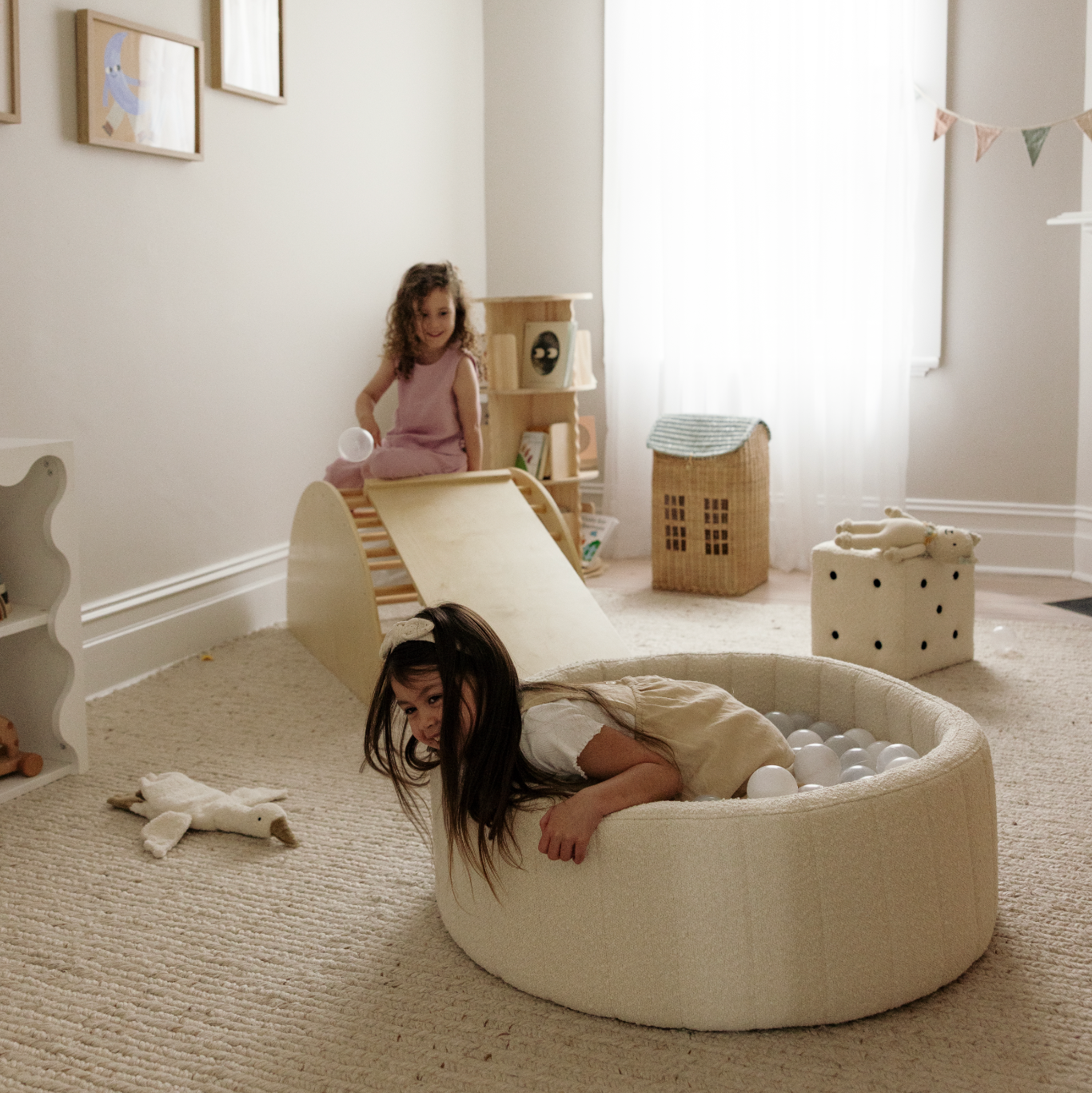
The practical side holds up, too. Solid timber handles the full range of daily play, from paint and clay to puzzles and snacks, without showing wear the way cheaper finishes do. Paired with well-chosen toy storage, the whole setup stays calm and manageable rather than gradually taking over the room.
Designed to Grow With Your Child
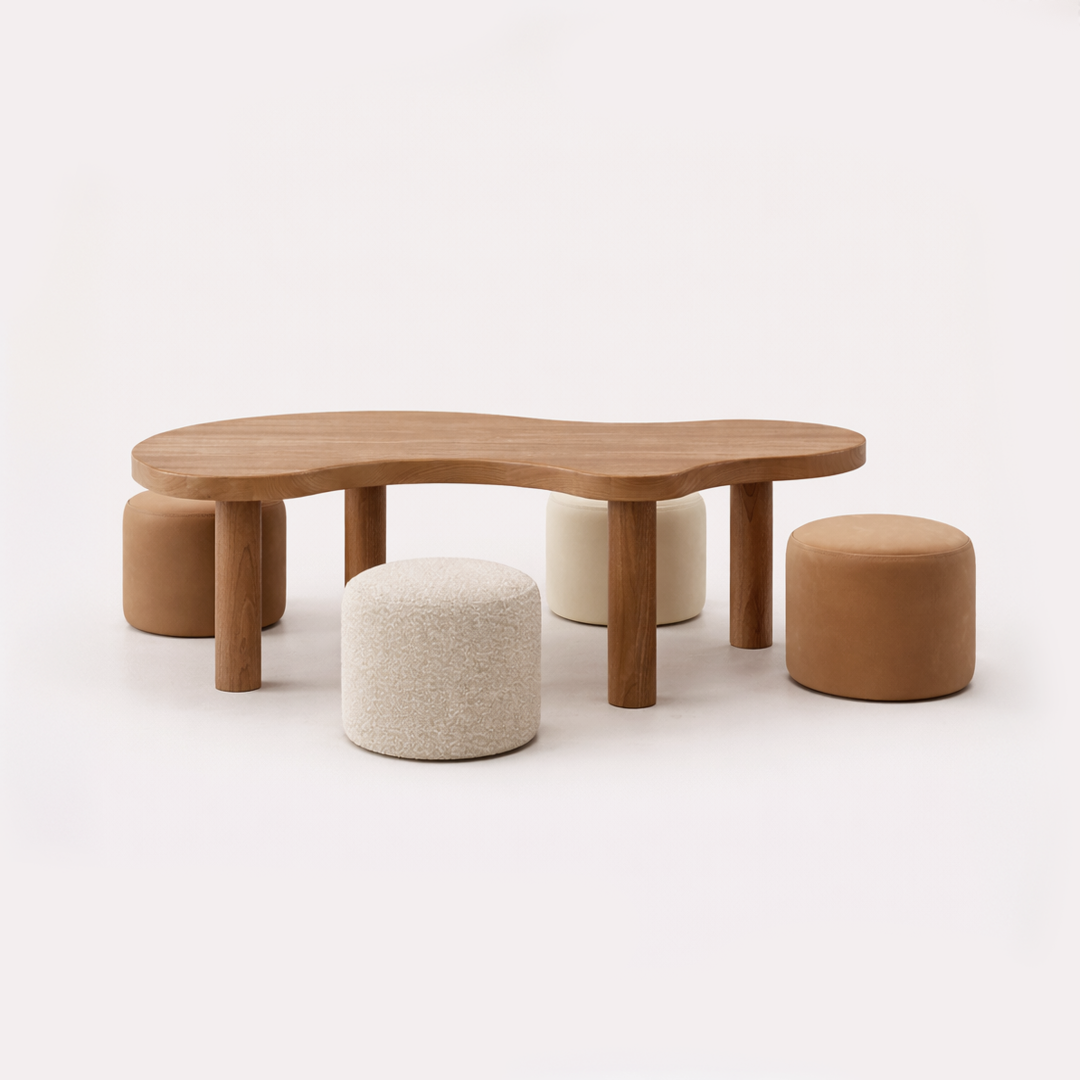
The Léon Activity Table connects. Two or three units link together to form a larger, continuous play surface, then separate again when the space or the child's needs change. A toddler who needs one compact table for drawing eventually becomes a school-age child who wants room to spread out a full Lego build or craft project. The Léon adapts to that without requiring a replacement.
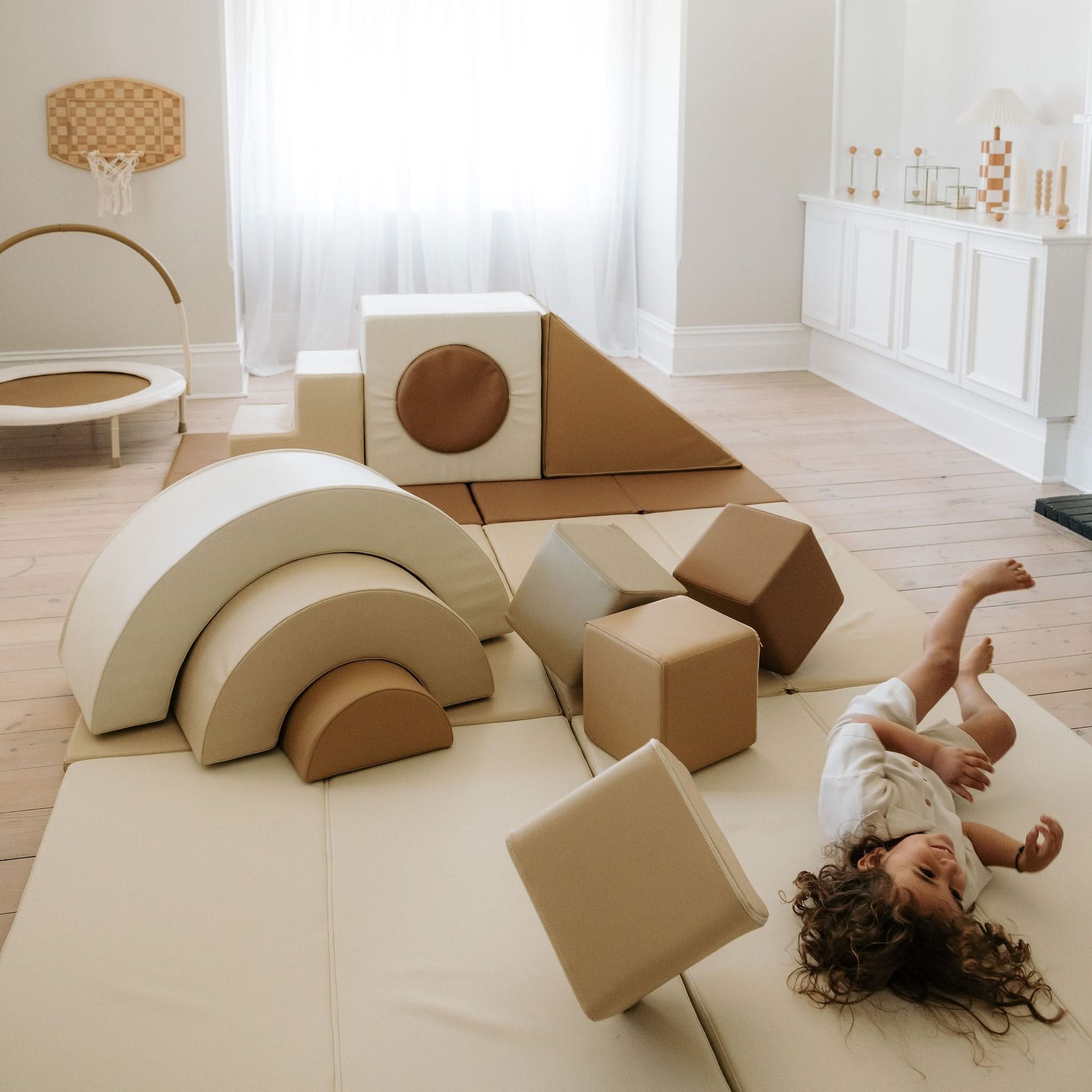
This matters more than it might seem. Most kids' table and chair sets have a fixed size that works for one stage and then gets outgrown. A connectable activity table scales with the child. The table a two-year-old uses beside the couch becomes the larger activity surface a five-year-old pulls apart and rearranges with a sibling. It's the same piece of furniture doing a different job, which is exactly what long-term pieces should do.
The elm wood construction ages well, too. The surface develops character rather than deteriorating, so a table bought in the nursery years can still look deliberate and cared-for years later, sitting alongside the rest of the home.
Choosing the Right Table for Your Space
A single activity table works well in a bedroom corner, a small nursery or a compact living space where play happens in a contained area. The Léon's footprint is generous enough to be genuinely useful on its own, at 131cm long, it gives a child real room to work without overcrowding a smaller room.
For a larger dedicated playroom or an open-plan space where the table will be a central feature, connecting two or three Léon tables creates a substantial surface. Before committing to a connected configuration, it's worth measuring the floor area and thinking about how much clearance to leave around the table for movement. A good guide is to allow at least 60–70cm on each open side so a child can pull out a chair, stand up and move around without the setup feeling cramped.
Ceiling height rarely affects a low-profile kids' activity table, but room scale does. In a room with high ceilings and generous proportions, a connected configuration anchors the space. In a smaller room, a single table keeps the layout from feeling busy. Browsing the wider playroom furniture range alongside the table helps with visualising how the pieces work together in a given space.
Caring for a Solid Timber Activity Table
Solid timber is durable, but it responds to its environment. Wiping the surface down after use, particularly after paint, clay or anything wet, prevents residue from sitting on the finish and makes daily maintenance straightforward. A soft, slightly damp cloth handles most cleanup without any need for chemical cleaners, which can strip the natural finish over time.
Prolonged moisture is the main thing to watch. Leaving wet items directly on the surface, or letting spills sit can cause the timber to absorb moisture unevenly and affect the finish. A quick wipe after meals or messy play sessions is usually all it takes to keep the surface in good condition.
If the surface does pick up marks over time, light ones generally buff out with a mild timber-appropriate product. Deeper marks are worth assessing before treating; in many cases, they add to the character of the piece rather than detracting from it. Natural timber living in an active family home will carry some history, and that's entirely in keeping with how the Nuage pieces are designed to be used.



