

Every parent wants their child to love books. But a child can only choose a book they can see, and most kids' bookshelves stack spines into a wall of identical lines, tucked into a cupboard, out of reach.
We asked parents what actually changed how much their children read. The answer wasn't a reading chart or a sticker reward. It was something far simpler: making the books visible, reachable, and theirs to choose.
Over and over, the same story came back. The moment books moved from a closed cupboard to an open, child-height shelf, children started picking them up on their own.
Reading starts when the choosing starts.
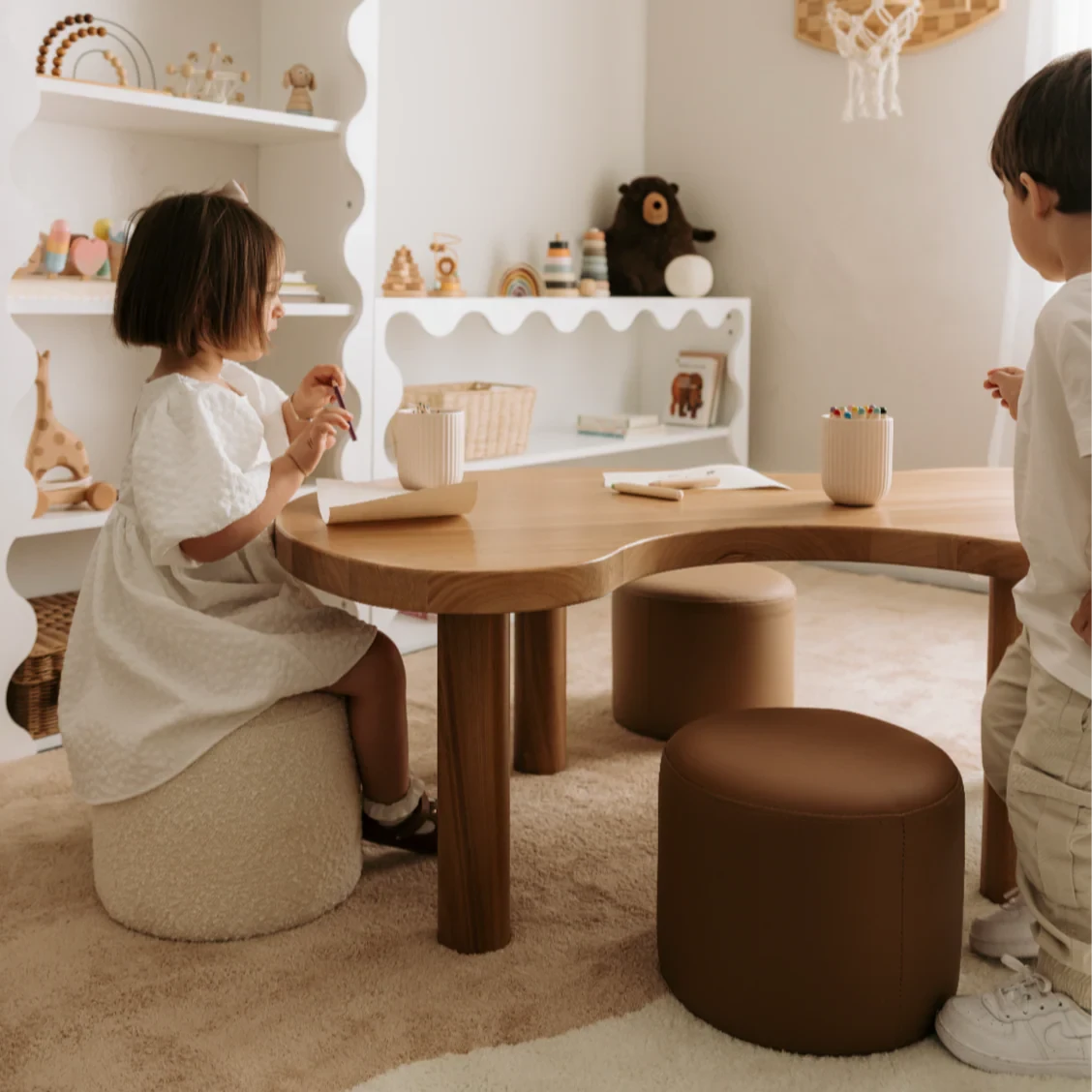
Montessori calls it the prepared environment: set the room up so the child can act independently, and independence follows. A bookshelf is the clearest example. If she can see the cover and reach the shelf, she'll choose. If she can't, she'll wait for you, or not bother at all.
It's also the piece most parents underestimate. A bookshelf feels like storage. In a child's room, it's an invitation.
From the parents we asked
Four things parents told us about kids and books.
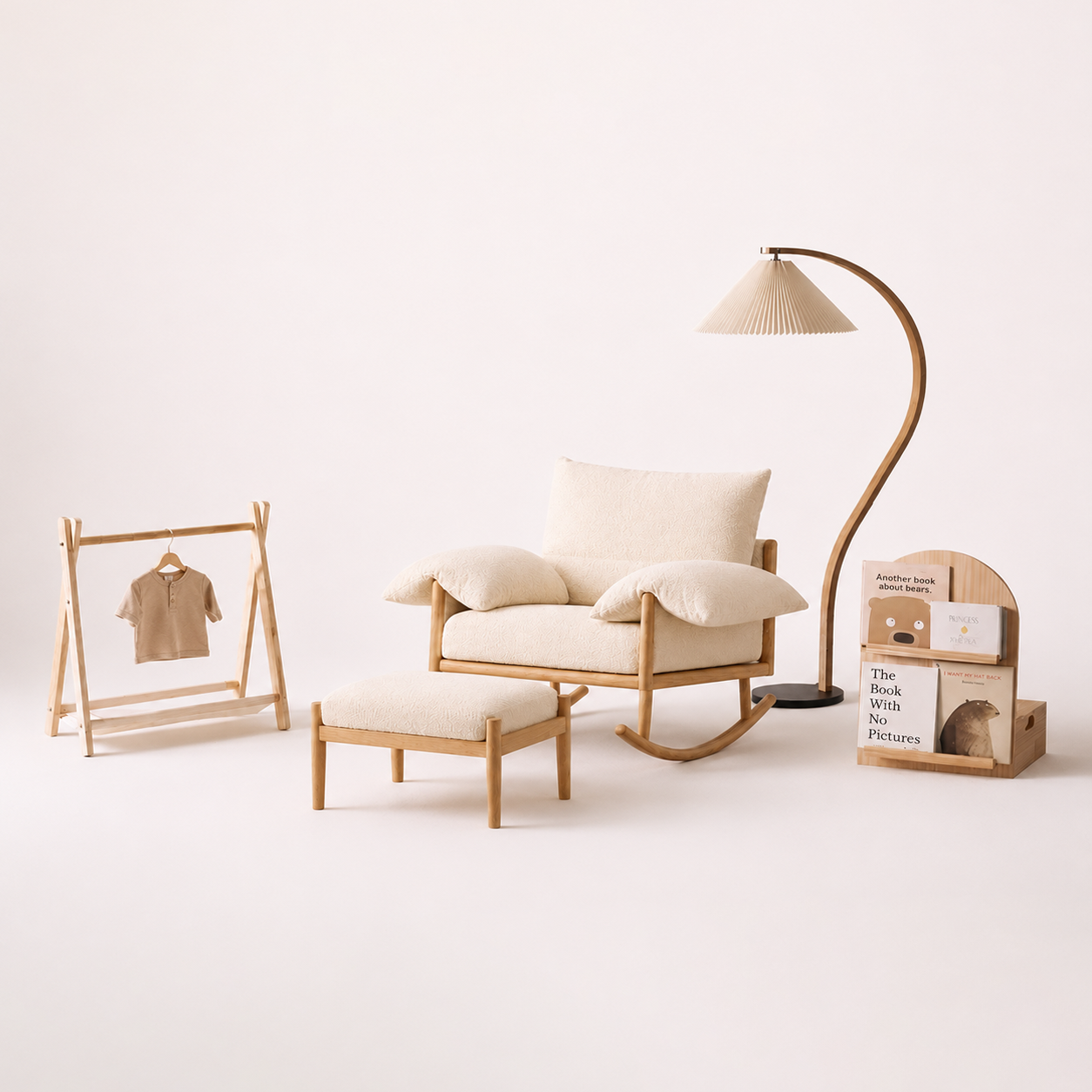
Front-facing covers change everything.
A spine is invisible to a child. A cover is a picture. When books face out, kids browse them the way they'd browse a shelf of toys, and that browsing is the start of reading.
Out of reach means out of mind.
If the shelf is too tall, every book becomes a request. Put it at her height and the bottleneck disappears. She serves herself.
Less choice, more reading.
A wall of two hundred books overwhelms a toddler. A curated, rotating few invite a decision. Parents told us their children read more once they could see fewer books at once.
The shelf has to earn its corner.
Kids' rooms are small. A bookshelf that eats a metre of wall gets resented. One that holds the whole library in a corner footprint gets kept.
My children are picking books to read more independently than when they were tucked away in the cupboard.Verity · Verified buyer



