

Montessori at home gets mistaken for a shopping list: wooden toys, muted colours, a particular kind of rug. It isn't. It's a single idea, applied to a room: make it so the child can do things for themselves.
We asked parents who'd set up a Montessori-style space what actually mattered. None of them led with toys. They led with storage, low, open, and within reach, because that's what hands the room over to the child.
The shelf is where it starts. Get the shelving right and the rest of the room follows; get it wrong and you're back to lifting everything down yourself.
Independence is a height, not a philosophy.
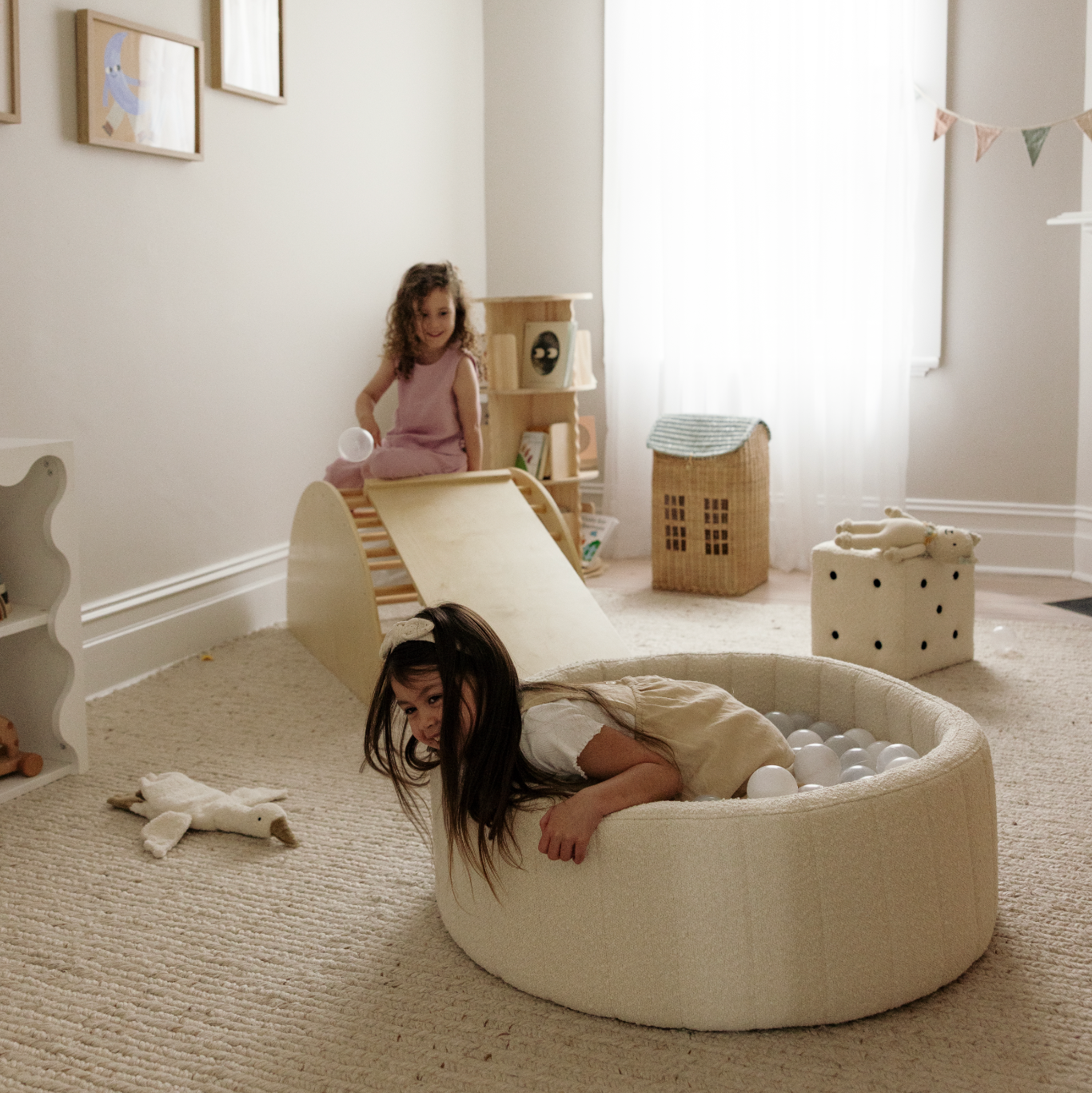
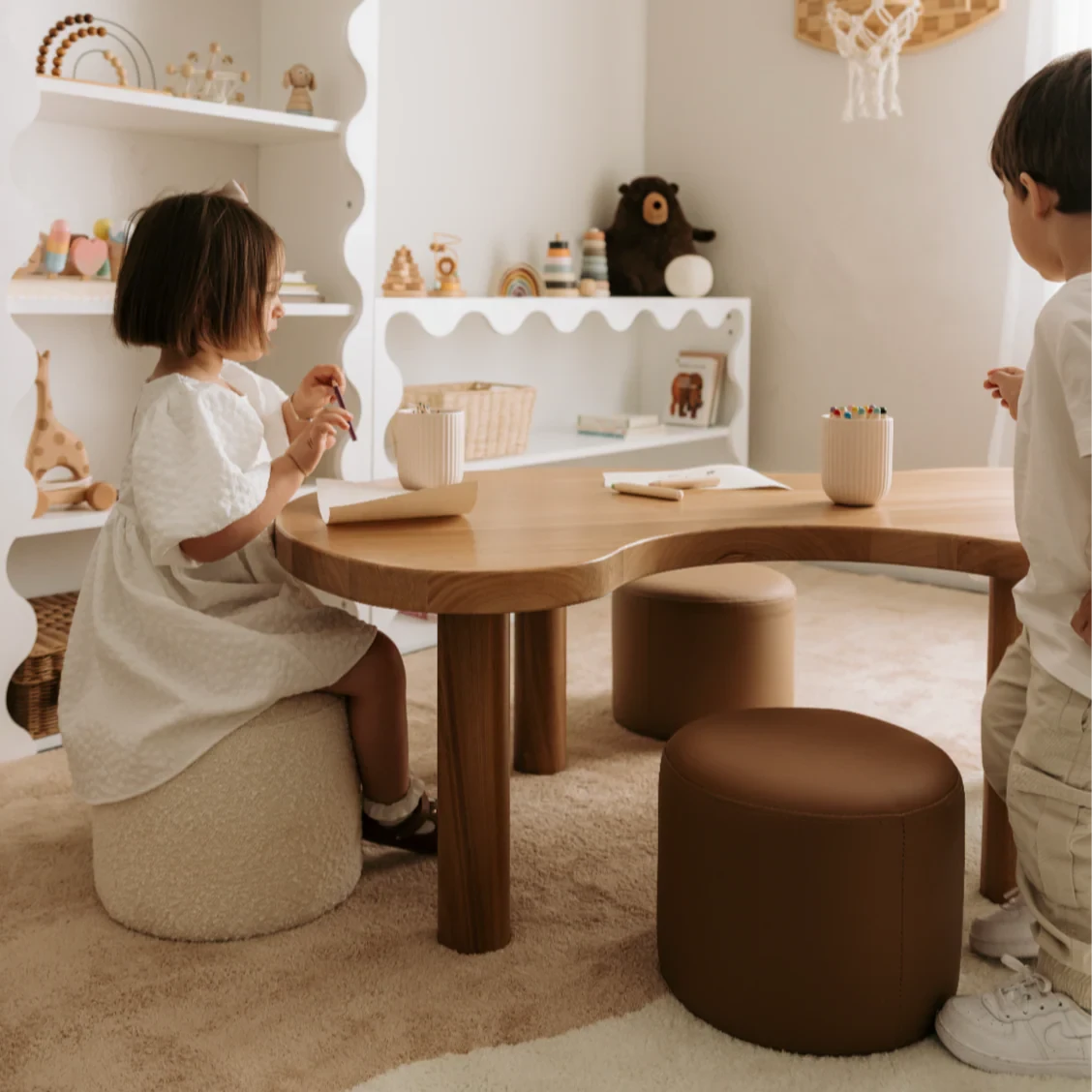
A toddler can only choose what they can see and reach. Put toys in a tall cupboard and every activity needs you. Put them on a low, open shelf, each in its own place, and the child selects, plays, and returns it. That loop, repeated, is the whole method.
It also keeps the room calmer. Open shelving with a place for everything turns tidying from a battle into a step the child can do alone.
From the parents we asked
Four things Montessori parents told us.
Low and open beats tall and closed.
If the child needs you to reach it, it isn't theirs. Shelving at their height removes you from the loop, which is the point.
A place for everything, visible.
Open shelves with clear spots let a child see what's available and where it goes back. The order teaches itself.
Fewer things, well displayed.
Montessori favours a curated, rotating selection over a full toybox. Shelving makes rotation easy and keeps choice from tipping into chaos.
It has to suit the room, not just the method.
A Montessori shelf lives in a bedroom or living space for years. It should look like furniture you chose, not a classroom offcut.
I'm obsessed, it gives the room a little more edge. A very unique design, and easy to put together.Abigail · Verified buyer



