

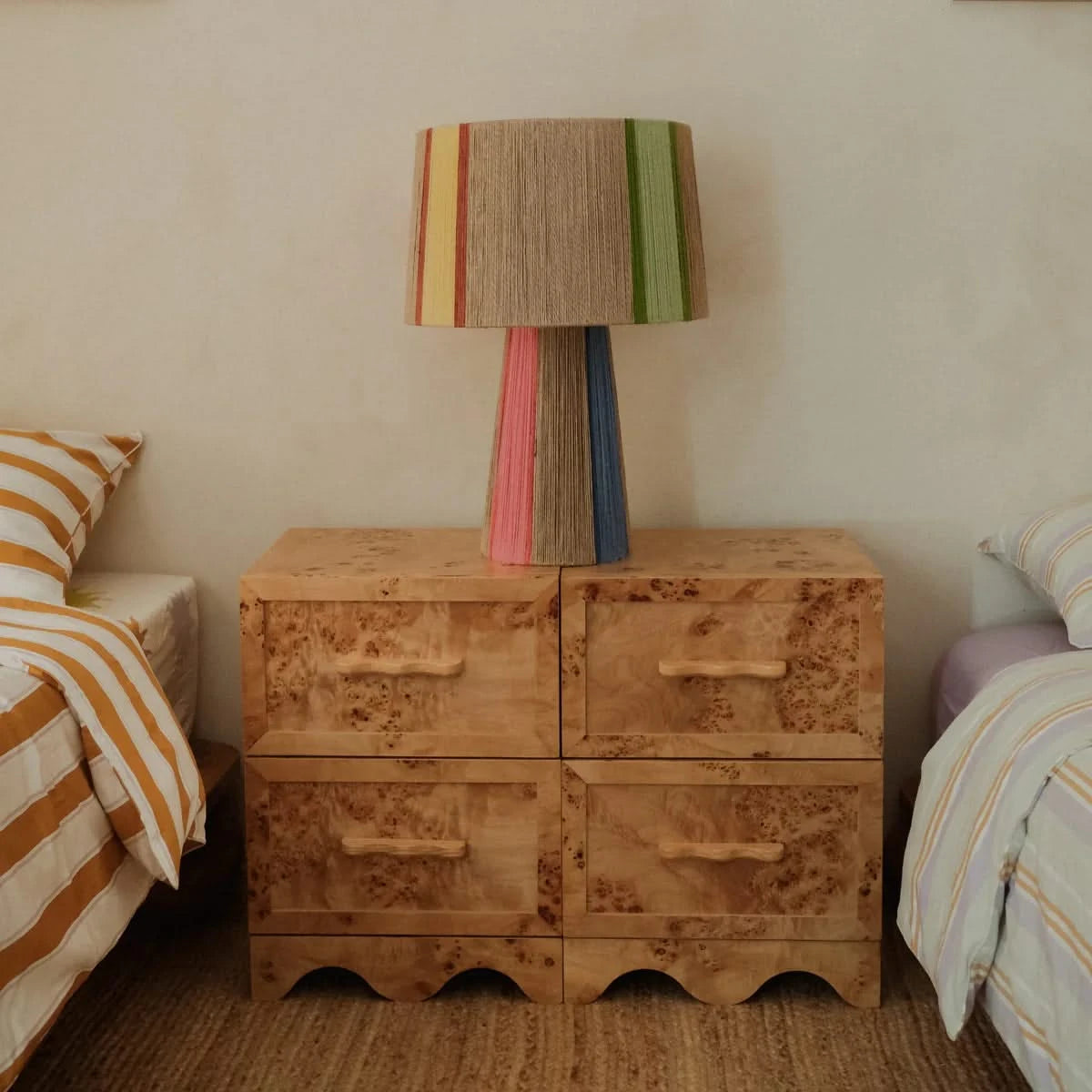
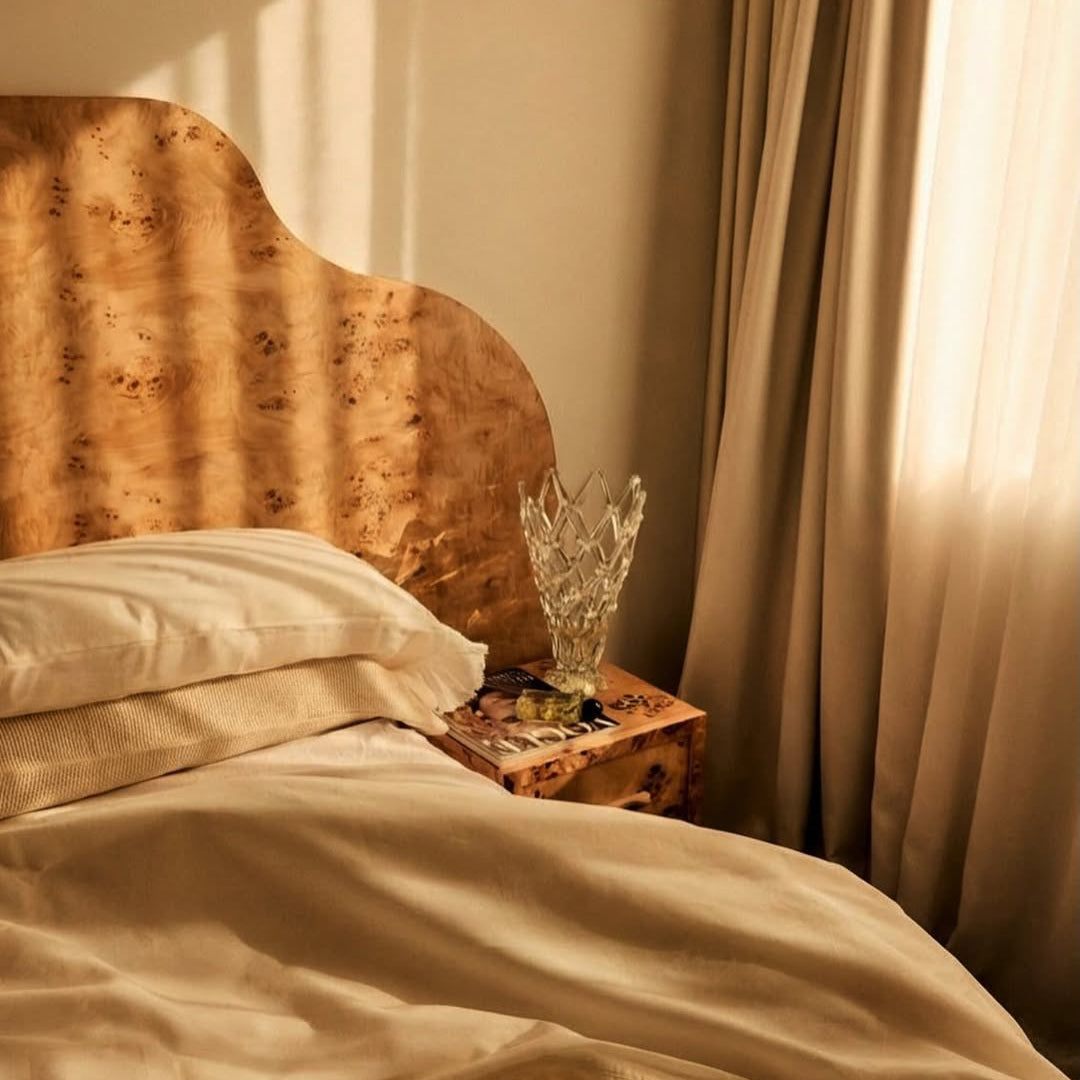
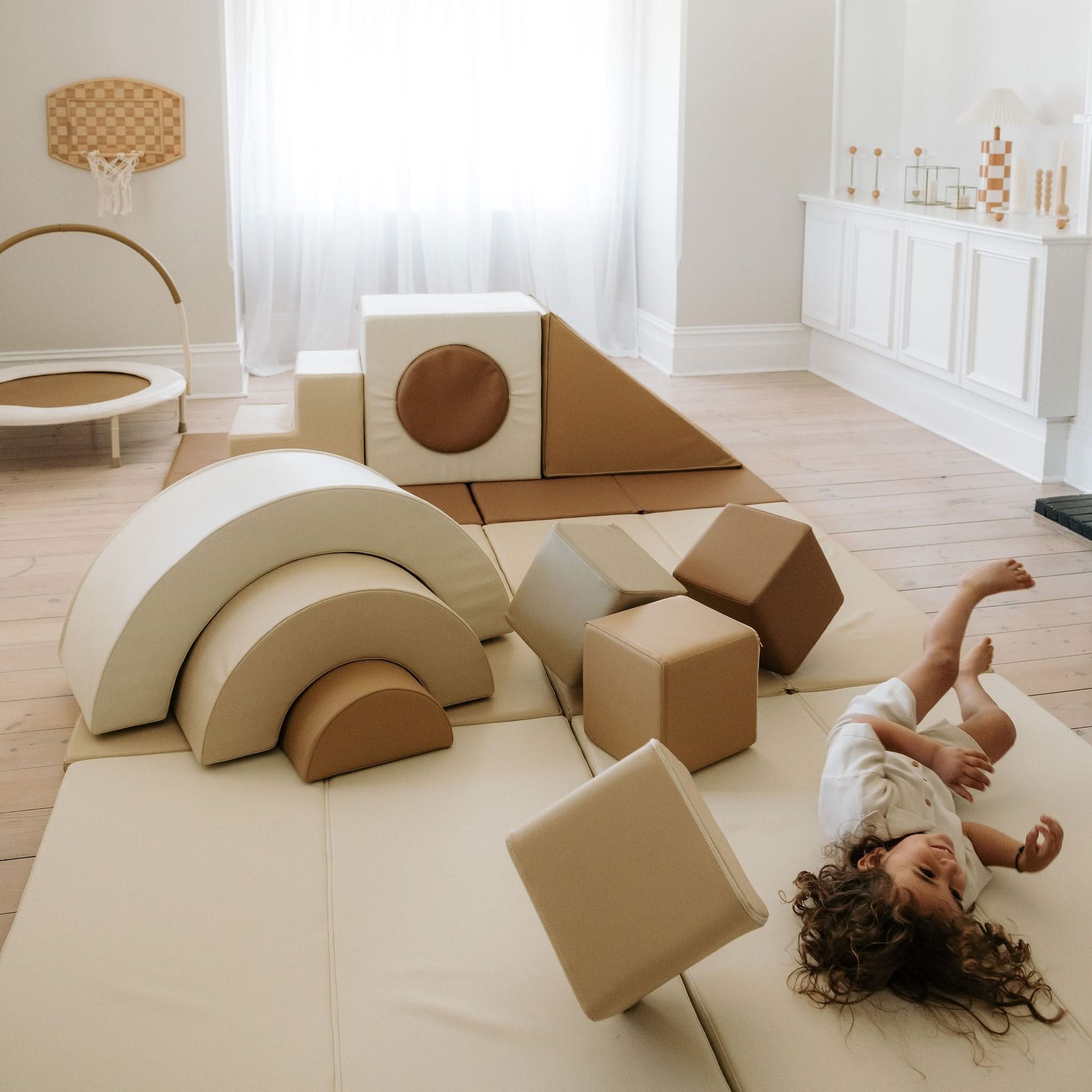
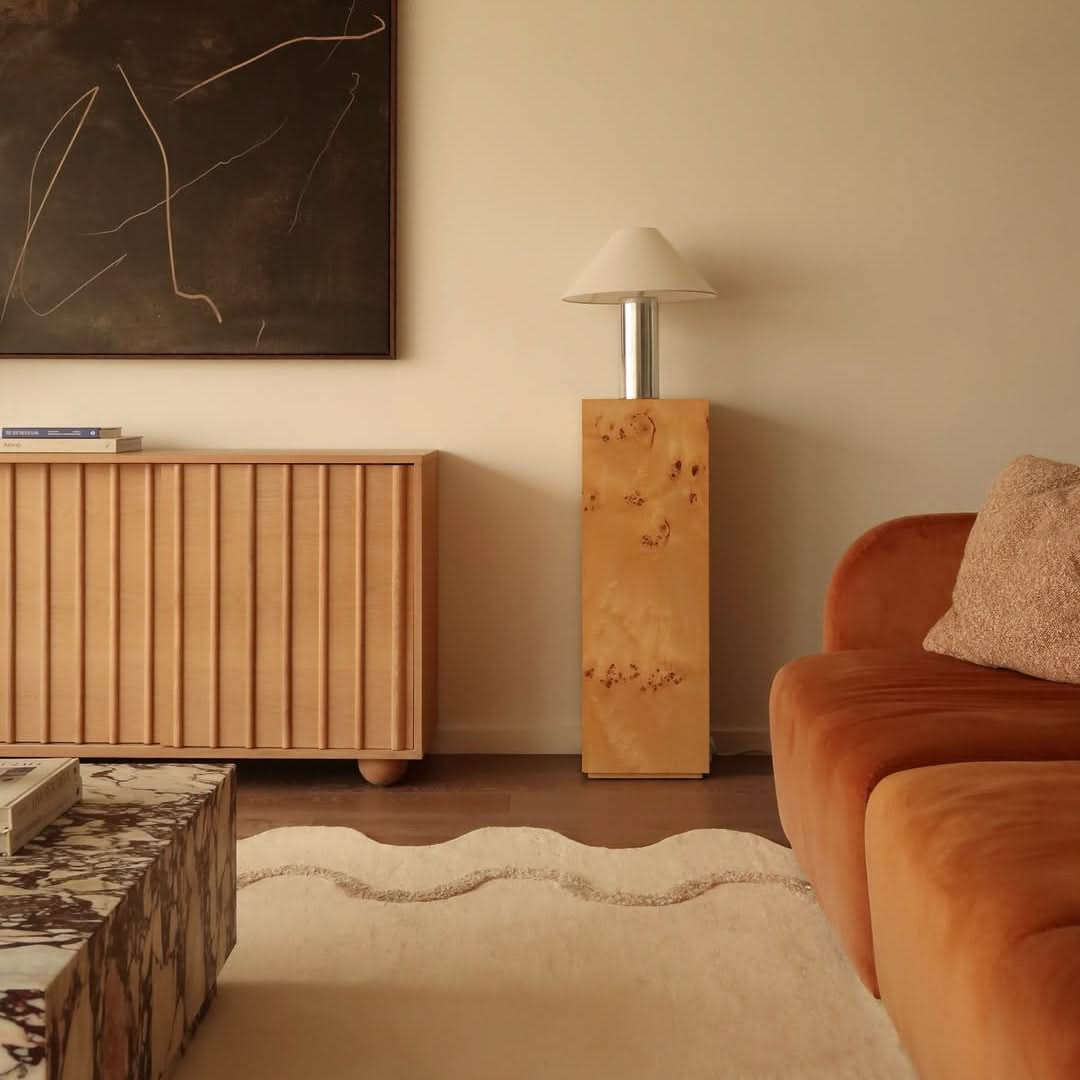
Most homes solve the kids-versus-living-room problem by adding furniture: a play table here, a coffee table there, each one half-used. There's a quieter solution: one piece that simply changes job through the day.
We've watched the same realisation land with parent after parent: you don't need a children's table and an adult one. You need a table that's both, depending on the hour.
The convertible table sounds like a gimmick until you live with one. Then it becomes the most-used piece in the room, because it's never the wrong piece for the moment.
Furniture that keeps up with the day.
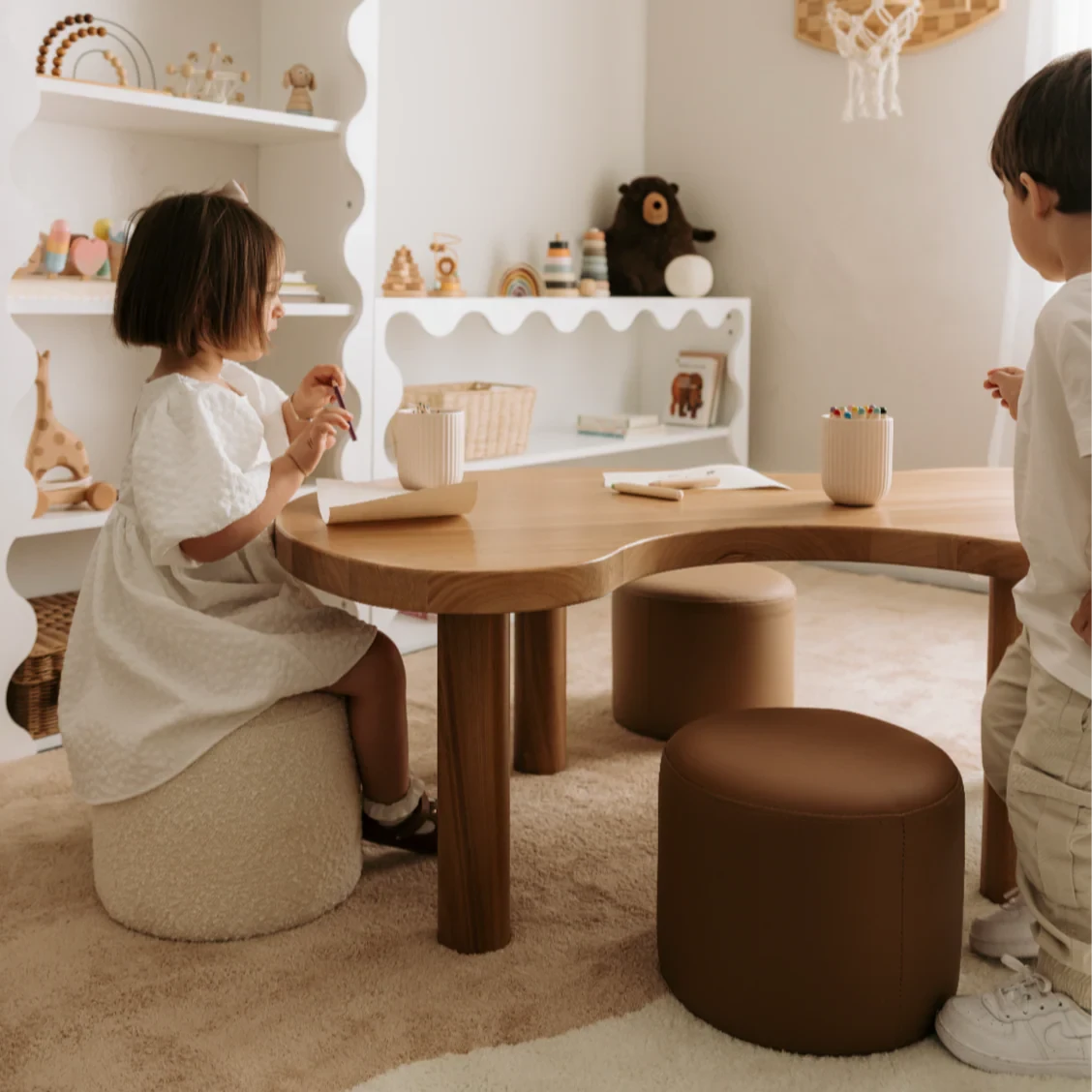
Mornings, it's a coffee table. After lunch, the chairs slide out and it's where a child draws, builds and eats. At pack-down, the chairs tuck back in and it returns to one clean, sculptural form. Nothing to store, nothing to hide.
It's the design-led answer to a real constraint: not every home has room for two tables, or a separate playroom. So the table does both, and looks intentional doing it.
From the parents we asked
Four things parents told us about a convertible table.
Two tables is one too many.
A dedicated kids' table and a separate coffee table both sit half-idle. One piece that converts is in use all day.
Kids want to be where you are.
A convertible table in the living room keeps children close, drawing beside you, not exiled to another room.
Pack-down should be invisible.
The best convertible piece hides its second function. Chairs that tuck into one unified form mean nothing to trip over and nothing to store.
It has to look like a choice.
A convertible table earns the living room only if, in coffee-table mode, it looks like a piece you'd have bought anyway.
I am obsessed with this table. I love how it converts to a kids' table and chairs, it means more family time for us. You would never know it doubles as a kids' table set.Kate C · Verified buyer



