

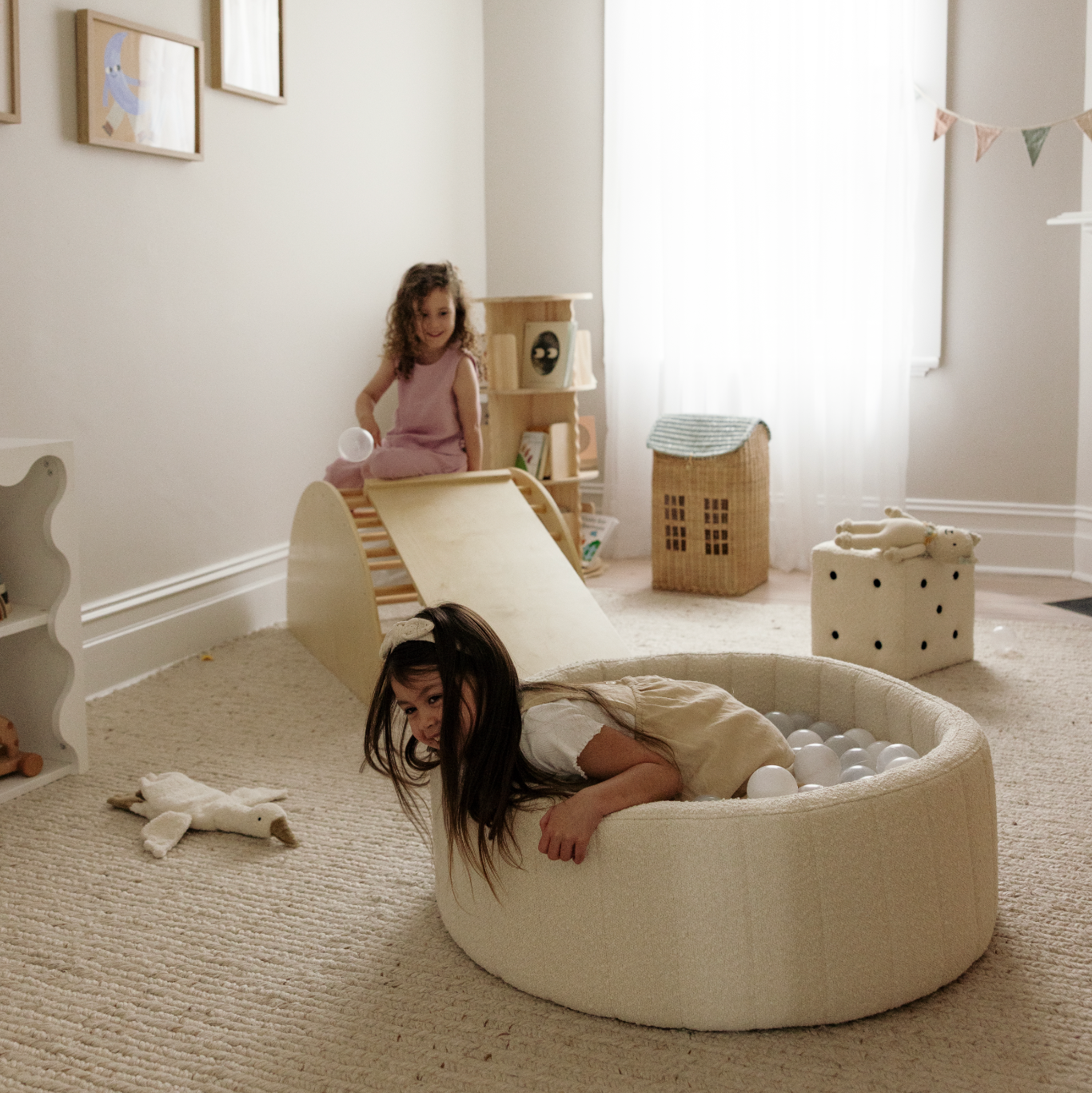
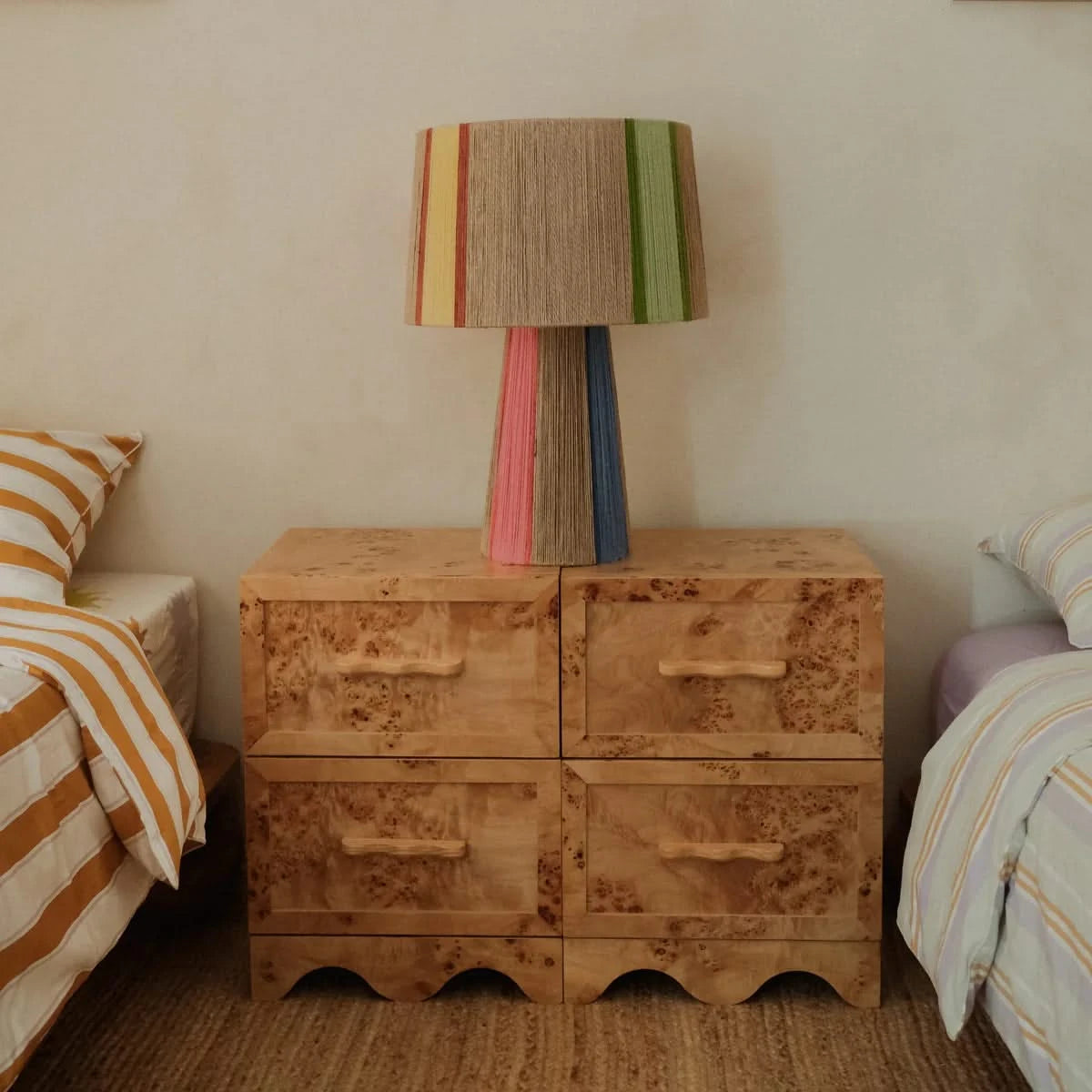
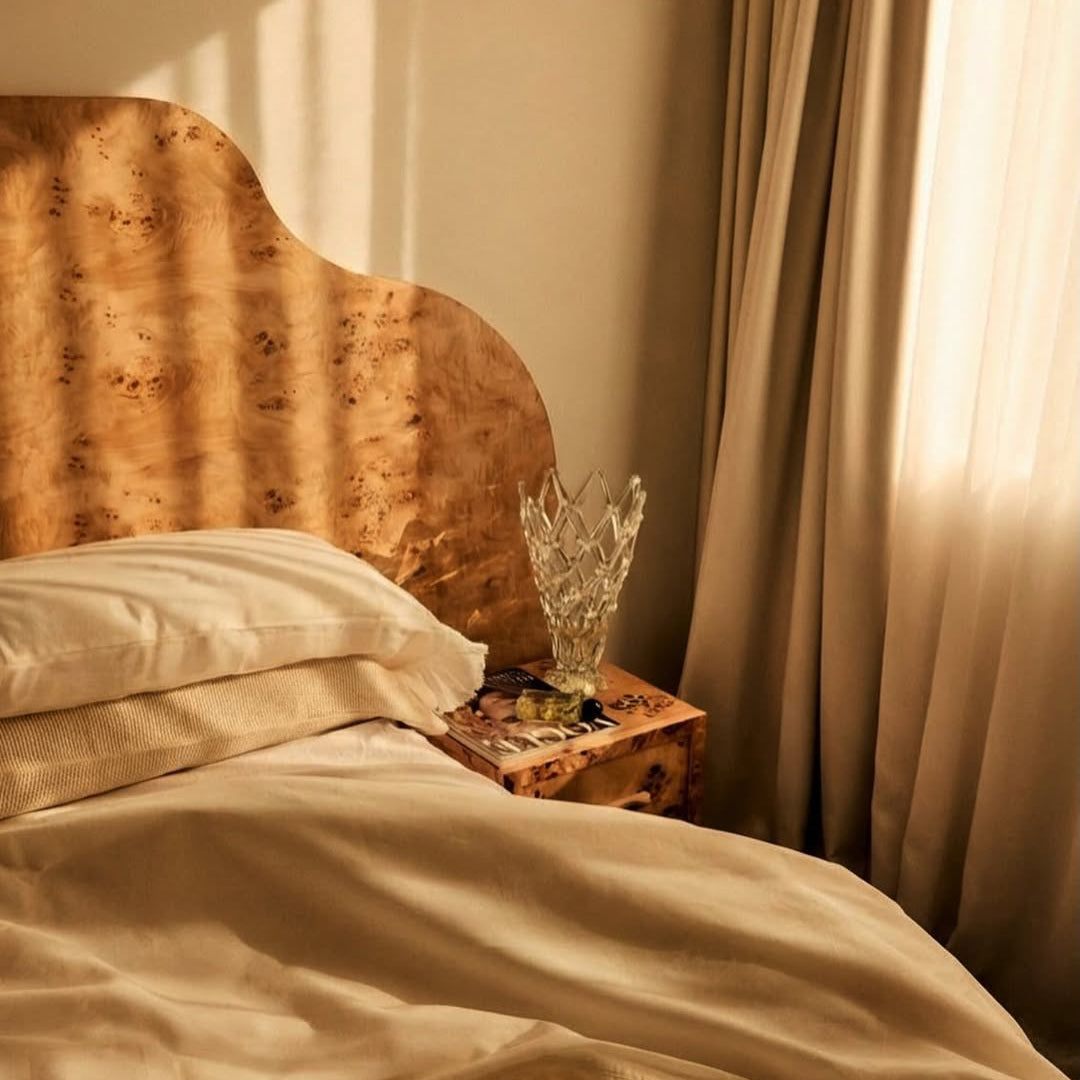
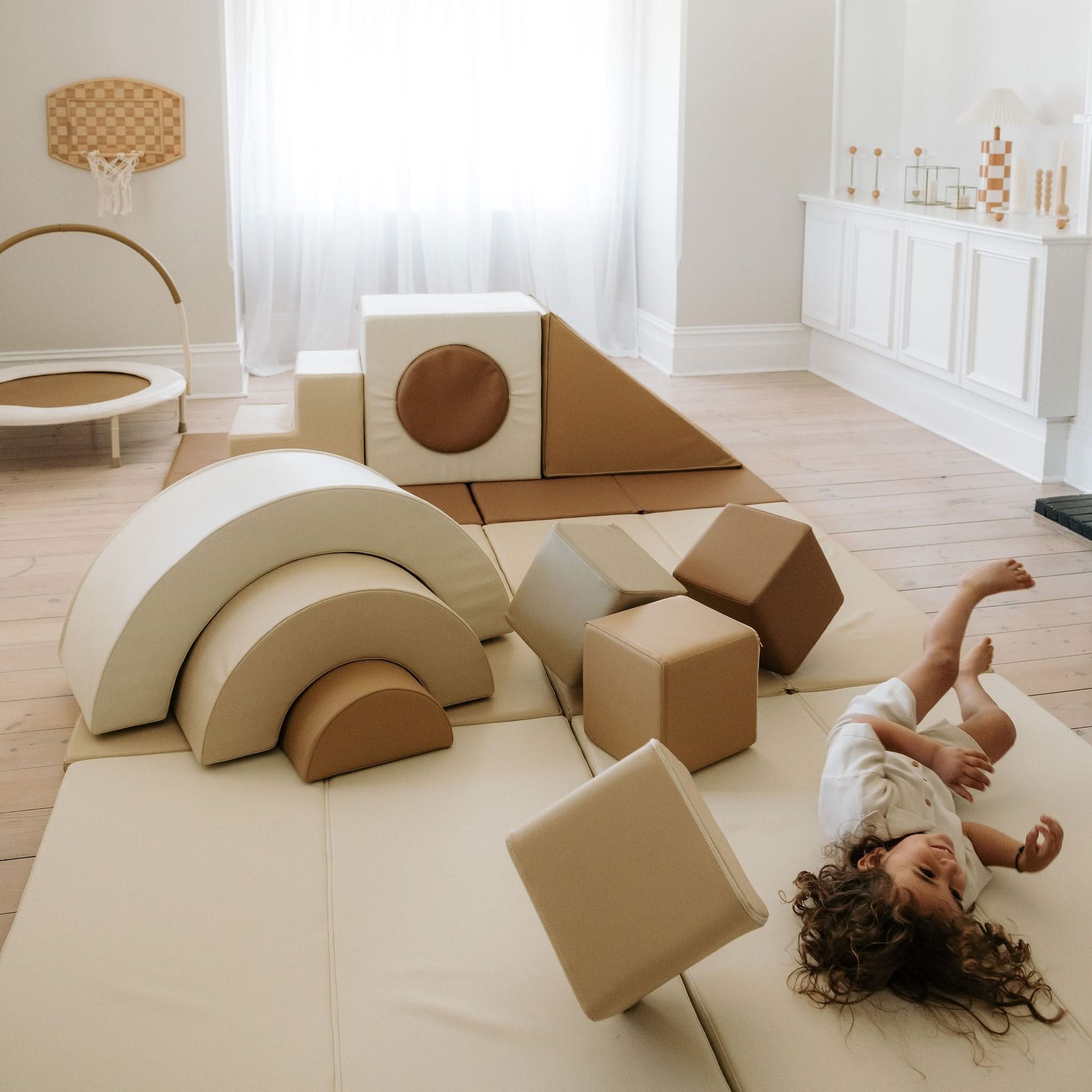
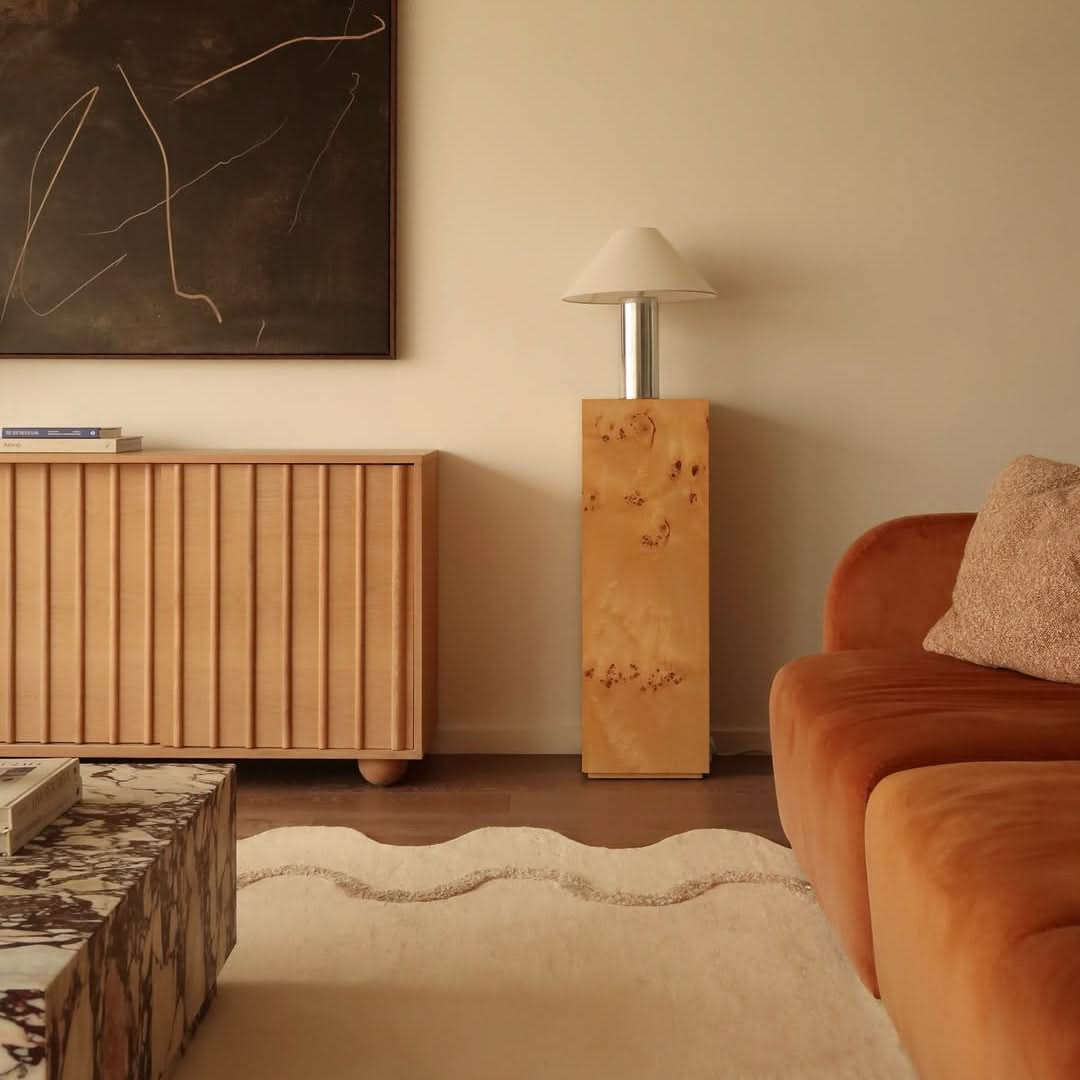
There's a moment, somewhere in the first two years, when the living room stops being yours. The plastic arrives, bright, moulded, branded, and the room you styled becomes a room you tolerate.
It doesn't have to. We asked design-conscious parents how they kept a home they loved without exiling their children to a separate playroom. The answer was consistent: choose pieces that do two jobs, and look good doing both.
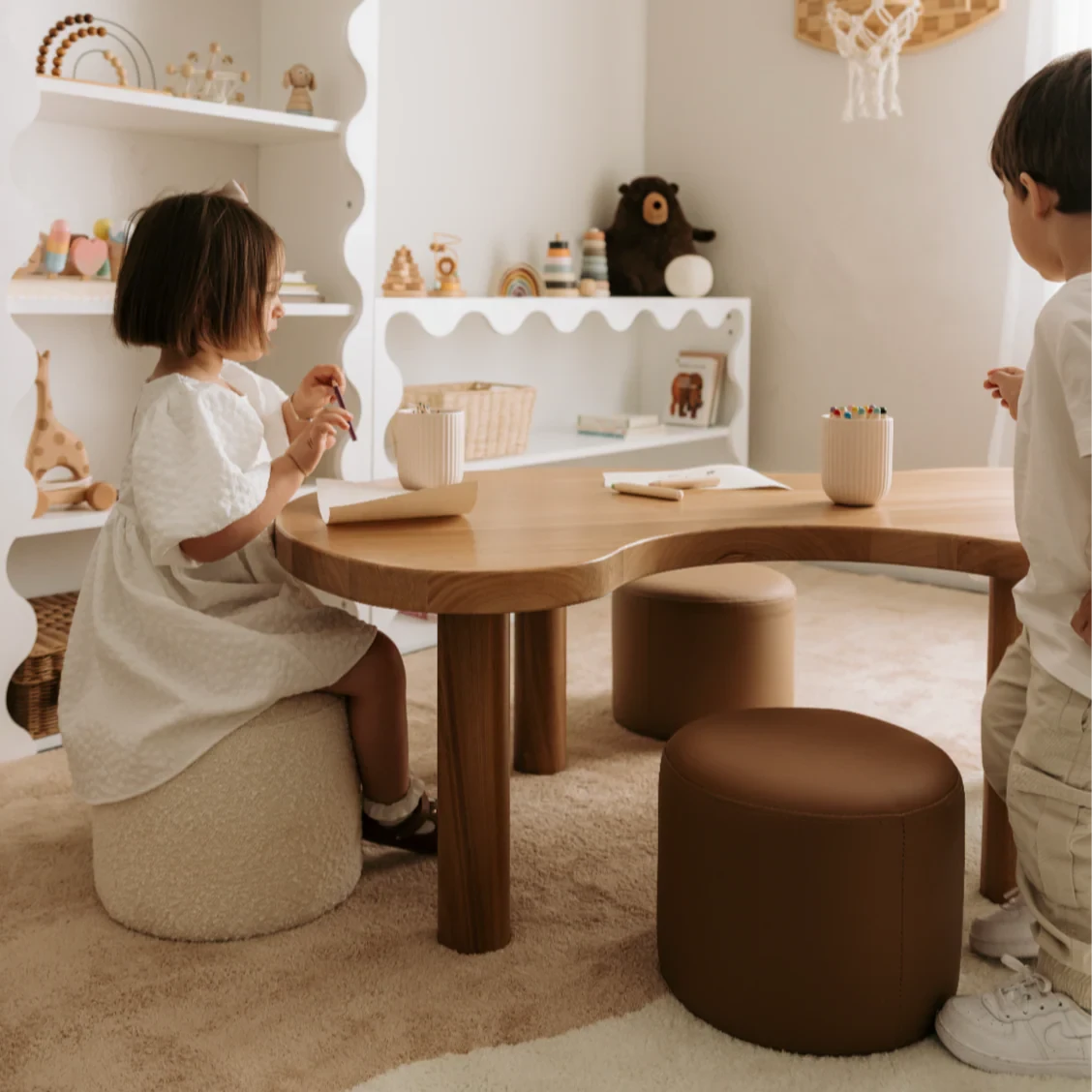
The kids' activity table is the test case. Most are built to be hidden. The right one is built to be seen, and to quietly become a coffee table when the crayons are packed away.
One piece, two lives.
A children's table earns its place in a living room when it stops announcing itself as children's furniture. Solid timber instead of primary-coloured plastic. A shape that reads as design, not daycare. A height that works for a four-year-old drawing and an adult resting a coffee.
Get that right and the table stops being a compromise. It becomes the piece guests assume you chose for yourself.
From the parents we asked
Four things design-led parents told us.
Plastic dates the whole room.
One bright moulded table pulls the eye and cheapens everything around it. A natural-timber piece settles into the room instead of fighting it.
A playroom isn't always the answer.
Not every home has a spare room, and even when it does, toddlers want to be where you are. A table that works in the living room keeps them close, without the visual cost.
Multi-use furniture earns its footprint.
A piece that's only ever a kids' table is dead weight by age six. A piece that's also a coffee table is furniture you keep.
Kids match the room they're in.
Give a child a beautiful, sturdy table and they treat it with more care than a flimsy one. The furniture sets the tone.
I was looking for something that suited as both a coffee table and a play table for my little ones, this is perfect, and it matches the aesthetic of our home so well.Ashley · Verified buyer



